What's the Difference Between Android Automotive and Google Built-In?
As automakers abandon phone projection, Google offers two native solutions: the foundational Android Automotive OS and the app-rich Google Built-in ecosystem. Discover how they differ.
By Tradifox Editorial· 8 min read
This article was generated with AI from the sources it names. Report an error
The Shift to Native In-Vehicle Software
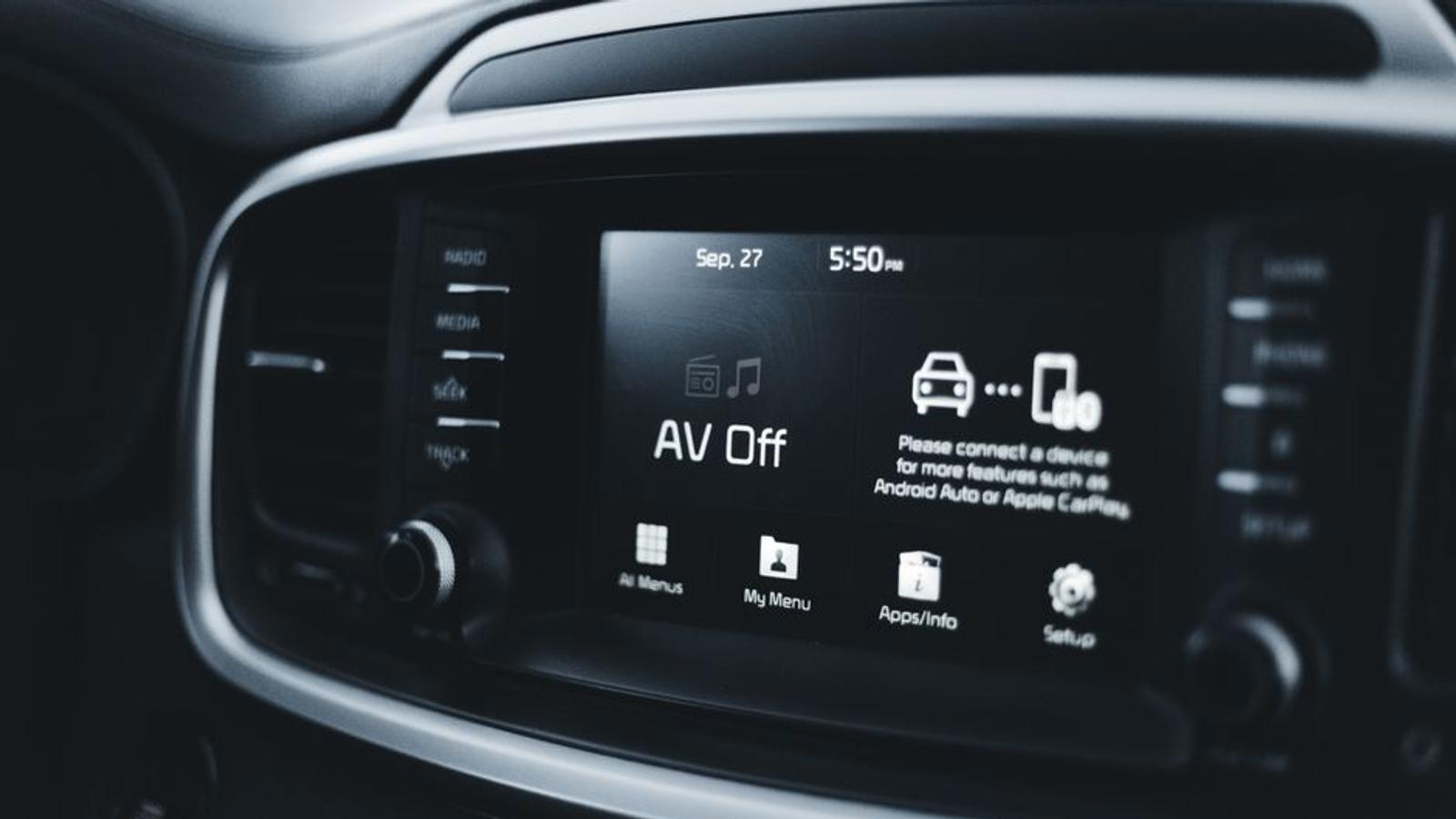
For more than a decade, drivers relied almost exclusively on smartphone projection platforms like Apple CarPlay and Android Auto to handle navigation, streaming, and communication behind the wheel. These platforms simply mirrored an external phone's interface onto a dashboard screen, leaving the car's underlying mechanical controls completely isolated from the infotainment display.
Today, automakers are shifting away from screen-mirroring interfaces toward deeply integrated, native operating systems. As modern dashboards evolve into multi-screen digital cockpits controlling everything from powertrain telemetry to ambient lighting, car manufacturers need software that operates directly on the vehicle's onboard processing units.
To meet this demand, Google developed two distinct vehicle software tiers: the Android Automotive Operating System and Google Built-in. While their names sound interchangeable, understanding the boundary between the foundational open-source operating system and the licensed consumer services package clarifies how modern connected vehicles actually operate.
Understanding Android Automotive OS
The Android Automotive Operating System, often abbreviated as AAOS, is an open-source, full-stack platform built directly into an automobile's electronic architecture. Rather than running off an external mobile phone or operating solely as an entertainment screen, AAOS serves as the native computing base for the entire cabin environment.
Because AAOS communicates directly with the vehicle's internal control modules, it manages physical hardware functions without requiring a network tether. The operating system natively coordinates climate control, HVAC blower speeds, radio frequencies, reversing cameras, motorized mirror angles, seat heating, and primary digital instrument clusters.
Crucially, Android Automotive is distributed under an open-source license, meaning any vehicle manufacturer can download, inspect, and modify the core codebase freely. Automakers can deploy AAOS as the invisible foundation of their proprietary interfaces without paying licensing fees to Google or adopting Google service branding.
Rivian provides a prominent example of this open-source architecture in action. The electric vehicle maker built its proprietary Rivian OS entirely on top of the underlying Android Automotive platform, completely bypassing Google applications, account logins, and commercial services to maintain complete control over its user interface.
What is Google Built-In?
Debuted in 2020, Google Built-in represents the commercial software tier licensed directly from Google by automotive manufacturers. While Android Automotive provides the raw engine and pipes beneath the dashboard, Google Built-in is the turnkey package of consumer apps and cloud connectivity layered over the top.
When an automaker licenses Google Built-in, the vehicle receives direct factory integration of key digital services, including Google Maps, the Google Play Store, and advanced conversational voice control. Drivers can download automotive-optimized streaming services like Spotify and YouTube directly to their dashboard without connecting a smartphone.
Unlike traditional phone projection tools, Google Built-in does not mirror a mobile device and does not require the driver to own an Android phone. The software runs natively using the car's built-in computer hardware and factory cellular connection, maintaining full operation even if your phone is left at home or powered off.
Currently, sixteen automotive brands license Google Built-in across their consumer vehicle lineups. Notable partners deploying the suite include Honda, Volvo, Chevrolet, Nissan, Ford, BYD, and Renault, giving drivers a familiar ecosystem across diverse body styles and price tiers.
The Strategic Elimination of Phone Projection
The industry migration toward native operating systems reached a major inflection point in 2023, when General Motors announced it would eliminate phone projection tools like Android Auto and Apple CarPlay from its upcoming electric lineups in favor of native Google Built-in solutions.
Automakers argue that native software enables a safer, more responsive driving experience that eliminates pairing glitches and allows infotainment systems to communicate directly with battery management sensors. An onboard route planner can precondition an electric vehicle's battery pack for rapid charging when navigating toward a DC fast charger, a feat phone projection cannot coordinate alone.
However, automotive analysts and consumers note that native software architectures also open substantial commercial avenues for vehicle manufacturers. By retaining full control over native screens and digital store shelves, manufacturers position themselves to monetize connected features through recurring software subscriptions and granular driving telemetry collection.
By keeping drivers within a native ecosystem rather than mirroring an external phone, automakers maintain access to vital interaction data. This control allows brands to curate in-cabin service offerings, manage over-the-air software updates, and capture monetization opportunities that third-party phone mirroring traditionally locked away.
Next-Generation AI Integration with Gemini
The capabilities of Google Built-in expanded significantly during the summer of 2026, when Google began phasing out legacy Google Assistant tools across sixteen automotive brands to debut its Gemini artificial intelligence platform. After initially testing on Android Auto, Google expanded Gemini directly into Google Built-in systems across Honda, Chevrolet, and Volvo.
Within a Google Built-in environment, Gemini functions with direct awareness of the vehicle's real-time operating state. Rather than behaving as a generic search assistant, Gemini can adjust physical cabin settings, optimize route calculation based on battery telemetry, and explain complex dashboard warnings through conversational dialogue.
Additionally, vehicle-specific Gemini implementations introduce Gemini Live features capable of interfacing with onboard camera sensors. By analyzing incoming visual feeds from front-facing exterior cameras, the AI model can assist drivers in identifying points of interest, reading distant signage, and evaluating parking constraints in real time.
Despite collaborating with Google on Gemini integration, legacy automakers continue pursuing proprietary intelligence platforms to differentiate their vehicles. General Motors executive Anna Santos highlighted this dynamic in an interview with CNBC on July 31, 2026, confirming GM is developing an independent in-vehicle AI scheduled for release in late 2026.
Santos explained that GM's proprietary assistant will merge deep GM vehicle engineering knowledge with OnStar intelligence to go beyond what general-purpose consumer assistants can achieve. This multi-tiered approach highlights how automakers aim to balance Google's widespread consumer app catalog with customized internal vehicle intelligence.
Key Architectural and Licensing Differences
To understand the distinction between these two systems clearly, consider Android Automotive as the operational plumbing of the dashboard and Google Built-in as the branded fixtures installed on top. Android Automotive is open-source and free to alter, while Google Built-in is a proprietary, paid software bundle governed by corporate service agreements.
Vehicles running pure Android Automotive without Google Built-in rely entirely on automaker-developed navigation systems, custom app stores, and alternative voice assistants. Drivers in these vehicles do not log into a Google Account, cannot download apps directly from the Google Play Store, and do not receive automatic Google Maps updates unless supplied by the automaker.
Conversely, vehicles equipped with Google Built-in offer seamless integration across a driver's broader digital life. Personal Google Account profiles synchronize saved destinations, calendar events, music playlists, and connected home controls directly to the dashboard instrument clusters without requiring physical cables or mobile hotspot pairing.
Both implementations operate completely independently of the driver's pocket device. Whether a car runs bare-bones Android Automotive or the full Google Built-in suite, an iPhone user experiences identical vehicle-level functionality compared to someone carrying an Android smartphone, ending platform favoritism in modern automotive design.
The Future of Connected Cockpits
The ongoing convergence of open-source operating code and cloud service licensing reflects a permanent transformation in vehicle design. As car cabins become sophisticated software devices on wheels, the division between foundational operating systems and commercial consumer applications will continue defining how we interact with transportation.
Drivers shopping for new vehicles must recognize whether a dashboard uses bare-metal Android Automotive, proprietary automaker operating skins, or full Google Built-in suites. Each approach dictates how future software updates arrive, which voice assistants handle safety commands, and how comfortably your digital profile integrates behind the wheel.
Frequently Asked Questions: In-Vehicle Software Differences
What is the primary difference between the two systems?
Android Automotive is the underlying operating system running core vehicle hardware like climate control and lighting. Google Built-in is a licensed application package on top of it, providing Google Maps, Gemini, and the Google Play Store.
Do drivers need an Android phone to use Google Built-in?
No. Unlike Android Auto, which mirrors a mobile device onto the dashboard, both Android Automotive and Google Built-in are standalone systems embedded in the car. They operate independently without requiring an Android smartphone connection.
Can automakers use Android Automotive without Google apps?
Yes. Automakers can adopt the open-source Android Automotive OS without licensing Google Built-in. For example, Rivian builds its proprietary Rivian OS on Android Automotive without incorporating Google services or branding.
Which car manufacturers currently offer Google Built-in?
Sixteen automotive manufacturers license Google Built-in. Major brands include Honda, Volvo, Chevrolet, Ford, Nissan, Renault, and BYD, with companies like General Motors transitioning fully to native Built-in software solutions.
Related articles