How Carers Can Use Amazon Echo and Smart Tech to Support Loved Ones
Smart home devices aren't just for convenience; they are powerful tools for carers. Learn how Amazon Echo, smart displays, and video doorbells help support vulnerable individuals.
By Tradifox Editorial· 6 min read
This article was generated with AI from the sources it names. Report an error
The Role of Mainstream Smart Tech in Caregiving
Carers are increasingly turning to everyday smart home technology to support vulnerable individuals and foster independent living. Although consumer smart gadgets were not originally developed specifically for caregiving, consumer organisation Which? highlights that mainstream devices are quietly transforming modern care routines. Smart speakers, connected displays, thermostats, and video doorbells provide accessible, cost-effective options that help families stay in touch and coordinate daily assistance without clinical disruption.
For many families, standard assistive technologies can feel stigmatising, complex, or prohibitively expensive to install. Mainstream consumer hardware bridges this gap by blending unobtrusively into domestic spaces while offering powerful assistive utilities. By using familiar voice assistants and connected hubs, carers can establish reliable safety nets that preserve dignity and encourage autonomy for elderly or vulnerable relatives.
Establishing Daily Routines With Voice Reminders
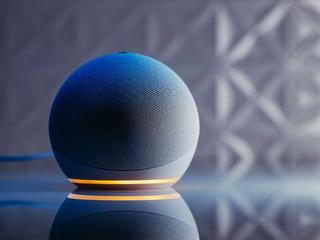
One of the most immediate benefits of voice assistants is their ability to maintain structured daily schedules without constant human prompting. Amazon Echo speakers can be scheduled to announce reminders at set times throughout the week to help vulnerable people maintain routines like taking medication or noting bin collection days. Rather than relying on paper calendars or phone alarms that might go unnoticed, scheduled spoken announcements ensure timely prompts across the home.
Martin Pratt, Which? smart speaker expert, noted that what sets the Amazon Echo apart from a simple timer is that Alexa uses words rather than alarms. Hearing a clear verbal phrase such as "time to take your morning tablets" provides crucial context that an abstract beeping buzzer lacks. This spoken clarity significantly reduces confusion, particularly for individuals experiencing cognitive decline or memory lapses.
Martin Pratt also observed that Echo Shows are great for timers, reminders, and answering the quick questions you might typically reach for your phone to check. Whether asking about the weather forecast before dressing or verifying the day of the week, hands-free verbal interaction removes the physical barrier of navigating a smartphone interface.
Combining Visual and Audio Prompts on Smart Displays
While voice-only speakers are practical, adding a visual screen substantially enhances accessibility. Smart displays like the Amazon Echo Show 8 can display to-do and shopping lists on screen or read them aloud, giving users both visual and audio prompts throughout the day. Having persistent text visible on a kitchen counter or living room sideboard reinforces auditory messages for those with partial hearing loss.
The physical design of smart displays also accommodates varying dexterity levels and tech proficiencies. The Echo Show 8 features physical buttons to dismiss alerts, adjust the volume, and mute the microphone, though users must learn how to switch off alerts effectively. Clear tactile controls give residents direct agency over their surroundings, ensuring they can quieten the device whenever necessary without voice commands.
In addition to managing task lists, smart displays serve as digital bulletin boards for the entire care network. Family members can remotely update shared calendars, add appointments, or pin notes through the companion app. This shared visibility ensures that the individual being supported always knows what visits or tasks are planned for the day ahead.
Maintaining Connection Through Accessible Video Calling
Isolation is a frequent challenge for vulnerable individuals living alone, making regular contact essential for emotional well-being. The Amazon Echo Show 8 (3rd Gen) features a built-in camera that enables video calls to stay connected with family and friends through other Echo Show devices or the Alexa app on Android, iOS, and PC. This broad cross-platform support allows family members to check in from a smartphone while on the move.
Because the hardware accepts verbal commands, placing or answering an incoming call requires minimal effort. A user can simply ask the display to phone a family member, avoiding the frustration of handling small mobile touchscreens. For carers, visual check-ins offer immediate reassurance regarding a relative's physical appearance, mobility, and domestic environment.
These video connections also allow multiple relatives to share caregiving responsibilities more evenly. Relatives living in different towns or working irregular hours can drop in virtually for brief face-to-face conversations. Maintaining this steady cadence of visual contact reinforces social bonds and helps spot subtle shifts in health before they escalate.
Managing Household Security With Video Doorbells
Household access is another critical area where consumer smart technology simplifies care coordination. A video doorbell paired with an indoor smart display allows individuals to view a live feed of the front door from a hallway or kitchen screen before deciding whether to open it. For those with limited mobility, this screen preview removes the need to rush across the house to answer an unexpected knock.
This technology also acts as an oversight tool for external support networks managing scheduled home visits. Video doorbells enable family members and carers to track who visits a property, including confirming whether carers have arrived and how long they stay. Timestamped activity feeds provide peace of mind that care visits are occurring reliably and according to plan.
Furthermore, two-way audio allows residents or remote relatives to speak directly with callers on the doorstep. Vulnerable individuals can safely vet tradespeople or delivery drivers without opening the entrance. If a resident is unable to reach the door, an authorised family member can answer via smartphone and provide instructions to the visitor.
Privacy and Data Protection Considerations
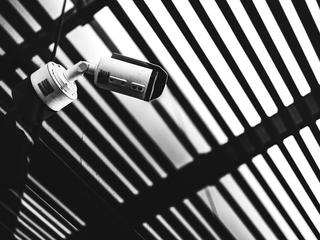
While security cameras and smart doorbells deliver clear practical safeguards, their use must be balanced against privacy rules. Patrick Gallagher, Which? security camera expert, noted that cameras recording beyond the property line—such as a public pavement or a neighbour's home—can lead to data protection implications. Carers should adjust camera angles, set activity zones, or apply privacy masking within the device settings to prevent recording public thoroughfares unnecessarily.
Transparency with regular visitors and professional staff is equally important when deploying monitoring hardware. Patrick Gallagher advised that individuals who are regularly recorded, including visiting carers, should be notified that cameras are active. Displaying clear signage near the entrance prevents misunderstandings and fosters a professional, trusting relationship with visiting care workers.
Finally, families must configure device permissions thoughtfully to protect the resident's dignity. Remote drop-in video features and shared calendar access should always be introduced with the explicit consent of the individual receiving care. When set up with appropriate boundaries, mainstream smart home tools offer practical, reliable support that empowers loved ones to remain independent in their own homes.
Frequently Asked Questions About Smart Tech and Caring
How can an Amazon Echo help manage daily medication schedules?
Amazon Echo devices can schedule spoken reminders using clear verbal prompts rather than generic beeps. Martin Pratt notes Alexa speaks words to prompt actions such as taking medication, and Echo Show screens can simultaneously display written reminders.
Are there privacy rules when using video doorbells for care?
Yes. Patrick Gallagher highlights that cameras capturing spaces beyond boundary lines, such as pavements, trigger data protection laws. Visiting carers and regular callers should also be informed that recording equipment is operating.
Can smart doorbells help monitor visitors and arriving carers?
Pairing a video doorbell with an indoor Echo Show lets users view a live front door stream before opening. It also allows family members to check when visiting carers arrive and monitor the duration of visits remotely.
How easily can vulnerable users manage and silence smart alerts?
Echo Show smart displays include physical buttons to adjust volume, mute microphones, and cancel active alerts. Users should practice turning off recurring notifications so they feel confident operating the device independently.
Related articles