Fitbit Edge vs Fitbit Air: How the Two Wearables Compare
Google's Fitbit Edge and Fitbit Air offer two distinct approaches to fitness tracking. Explore their hardware differences, sensor capabilities, and battery life to decide which wearable suits you.
By Tradifox Editorial· 13 min read
This article was generated with AI from the sources it names. Report an error
Introduction: Google's Dual Fitness Strategy
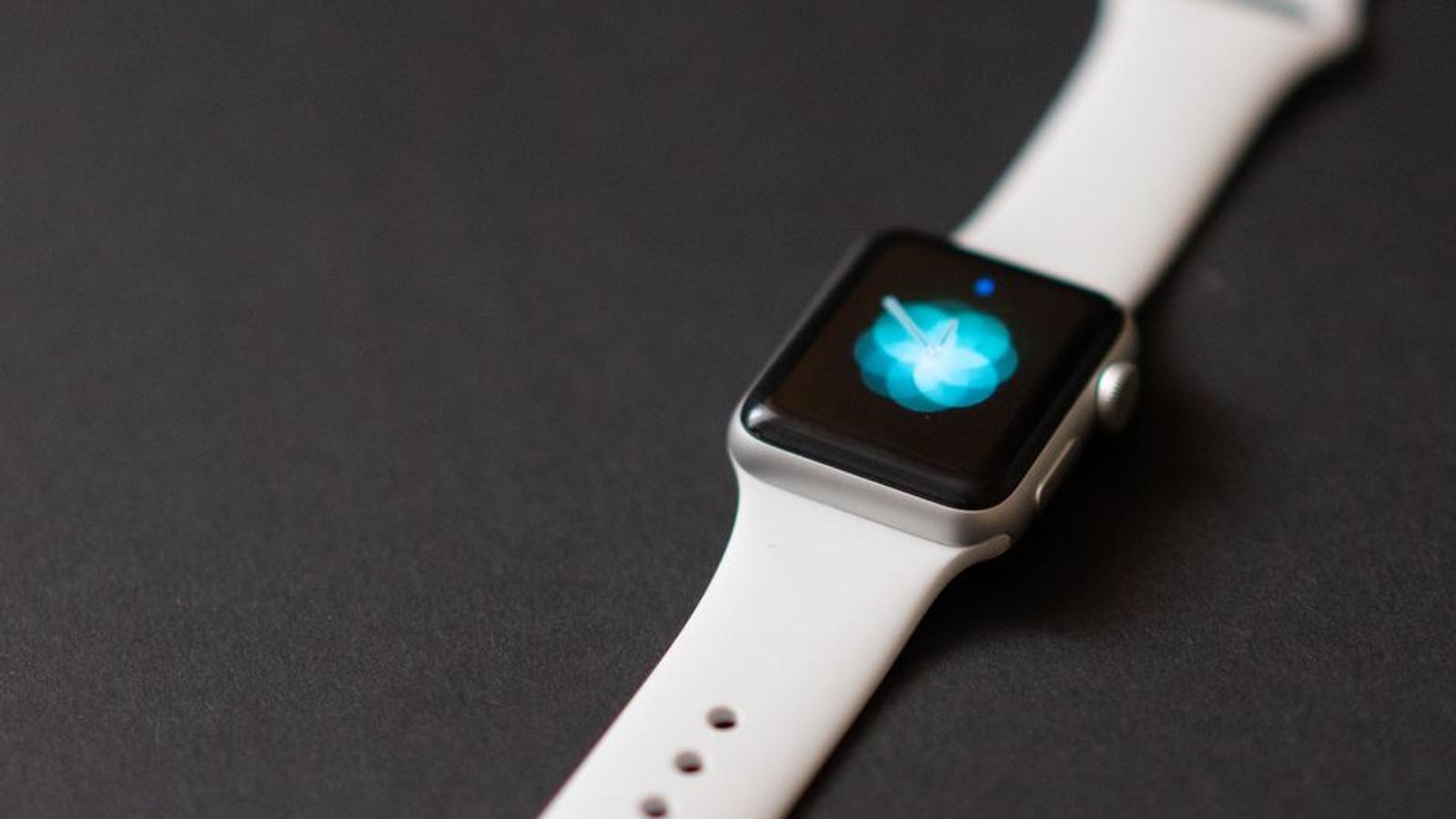
Google has diversified its wearable lineup by introducing two distinct form factors: the display-equipped Fitbit Edge and the screenless Fitbit Air. Both devices are positioned as budget-friendly alternatives to full-fledged smartwatches, aiming to capture users who want continuous health monitoring without wearing a bulky computer on their wrists. However, each device approaches daily activity tracking and user interaction from opposite design philosophies.
While the Fitbit Edge follows the lineage of traditional fitness trackers, the Fitbit Air strips away immediate visual interaction entirely. Understanding the fundamental differences in hardware, physical controls, sensors, battery performance, and software utility is essential for choosing the right device. Both devices also connect into Google's wider digital ecosystem, which shapes how biometric information is collected, processed, and accessed.
Form Factor, Dimensions, and Physical Interaction
The physical footprint of each device represents the most noticeable divide between them. The Fitbit Edge measures 1.54 by 1.01 by 0.46 inches, housing its internal components and battery behind an interactive front face. A tactile mechanical side button supplements the touch interface, allowing users to wake the unit, pause workouts, or navigate through menus quickly without relying solely on screen swipes.
In contrast, the Fitbit Air is built as a compact sensor puck measuring just 1.37 by 0.66 by 0.32 inches. Lacking any physical buttons, dials, or capacitive surfaces, the Air sits quietly against the skin. Its slender profile allows it to disappear under tight sleeves or alongside traditional jewelry, catering to individuals who dislike the aesthetic of digital screens.
Because the Fitbit Air features no exterior controls, virtually all device management takes place inside the paired companion smartphone application. Changing basic settings, checking current battery levels, or reviewing recorded workouts requires opening the Google Health app. The Edge, by comparison, provides immediate on-device feedback through its responsive touch panel and side button.
This physical distinction fundamentally changes how each wearable feels throughout the day. The Edge demands occasional visual attention, functioning like a focused smartwatch replacement. The Air functions purely as a passive data logger, quietly gathering physiological metrics in the background while keeping the wearer's wrist free of notifications.
Display Capabilities and Wrist-Based Visibility
Central to the user experience of the Fitbit Edge is its 1.34-inch oval-shaped AMOLED touchscreen display. The panel delivers bright, high-contrast visuals capable of presenting detailed metrics in broad daylight. An integrated ambient light sensor automatically adjusts display illumination to conserve power while preserving legibility indoors and outside.
The Edge also supports an optional always-on display mode, letting wearers glance down at the time, heart rate, or current step counts without raising their wrists. Navigating through the interface is fluid, allowing users to swipe through daily progress tiles, battery status indicators, and incoming alert previews directly from their wrist.
The Fitbit Air eliminates the screen entirely, foregoing pixels, icons, and text. There is no on-device indicator to display the time of day, active heart rate zones, or remaining battery percentage. Wearers who rely on their fitness band to function as a basic wristwatch will find the Air incapable of fulfilling that role.
This deliberate omission highlights Google's intention to offer an unobtrusive, distraction-free tracker. Without glowing pixels or constant digital prompts, the Air avoids the wrist fatigue and screen clutter that many users find overwhelming. For those who want constant real-time updates during exercise, however, the Edge remains the obvious choice.
Build Quality, Water Resistance, and Durability
Despite their vastly different appearances, both trackers share identical environmental protection standards. Google engineered the Fitbit Edge and the Fitbit Air with an IP68 rating, ensuring complete protection against dust ingress and resistance against continuous immersion in water. This rugged construction prevents damage during intense outdoor training sessions and sudden rainstorms.
In addition to the IP68 certification, both wearables are water-resistant up to 5ATM, meaning they can withstand pressures equivalent to a depth of 50 meters. Users can safely wear either tracker while swimming laps in a pool, showering, or washing dishes without fear of water penetration. This baseline ruggedness ensures durability across various lifestyles.
The structural housing of both trackers reflects Google's focus on dependable materials. The Edge uses lightweight materials surrounding its AMOLED panel to protect against peripheral impacts. The Air's smooth, unibody sensor pod provides no fragile glass edges to crack, making it exceptionally resilient against daily bumps and scrapes.
Both devices accommodate a range of interchangeable bands, allowing wearers to customize their appearance for sports, work, or casual social settings. Whether clipped into an elastic sports band or a sleek silicone strap, both models maintain a snug fit against the skin, which is necessary for accurate sensor readings.
Sensor Suites and Health Tracking Hardware
Underneath their chassis, both trackers share standard photoplethysmography (PPG) optical heart rate sensors. These optical sensors emit light into the skin to measure pulse rates around the clock, providing foundational data for resting heart rate trends, active exercise zones, and sleep staging. Both models leverage these readings to calculate cardiorespiratory strain throughout the day.
The Fitbit Edge pulls ahead significantly when it comes to specialized biometric hardware. The Edge incorporates specialized electrical sensors built into its frame, enabling users to record on-demand electrocardiogram (ECG) readings to detect signs of atrial fibrillation. Taking an ECG reading requires placing fingers on the tracker's metallic bezel, a task the screenless Air cannot facilitate.
Furthermore, the Edge features a built-in altimeter, which accurately tracks elevation gains and records the number of flights of stairs climbed each day. The Fitbit Air omits an altimeter entirely, meaning elevation data must either be estimated from paired smartphone GPS readings or skipped altogether. For hikers and stair climbers, the Edge provides a more complete mechanical metric set.
The Edge's ambient light sensor also sets it apart on an operational level. By continuously evaluating ambient lighting, the tracker prevents harsh screen glare in dark rooms and optimizes screen power usage. The Air requires no such hardware, as its sensor array is solely dedicated to collecting raw physiological data from the wrist.
Baseline Biometrics and Google Health Integration
Despite the hardware variance, both devices deliver a deep catalog of shared baseline health metrics. Each wearable tracks daily steps, distance, active minutes, and calorie expenditure through integrated accelerometers. Furthermore, both models feature automatic workout detection, recognizing activities like walking, running, and cycling without manual logging.
Sleep tracking is equally comprehensive across both the Edge and the Air. Each device monitors sleep duration, sleep stages (light, deep, and REM), and overnight movements to generate an overall sleep quality score. Continuous heart rate variability (HRV) and estimated blood oxygen saturation variations are also recorded overnight to help assess recovery status.
Google has also unified high-level wellness metrics across both models. Wearers receive Cardio Load insights, which quantify physical strain across multiple days to prevent overtraining. Both trackers also supply a Daily Readiness Score to guide morning workout intensity and a Resilience Score aimed at assessing cumulative physical and mental stress.
Irregular heart rhythm notifications are standard across both the Edge and the Air. By analyzing periodic pulse data collected by the optical sensor during rest, both devices can alert wearers to potential arrhythmias. This passive monitoring provides an essential health safety net regardless of which form factor a user chooses.
Advanced Health Guardian Features
Google has expanded its advanced health monitoring ecosystem by bringing Health Guardian capabilities down from the flagship Pixel Watch 5 to both the Edge and the Air. These capabilities do not depend on specialized onboard sensors on the bands themselves. Instead, they leverage Google's sophisticated machine learning models applied across aggregated historical data repositories.
Through Health Guardian, both devices can monitor longitudinal heart health indicators and detect subtle deviations from normal cardiovascular trends. Wearers gain visibility into systemic patterns that might warrant a discussion with a primary care physician, bridging the gap between consumer fitness tracking and proactive health management.
Health Guardian also introduces tracking for insulin trends, analyzing lifestyle factors, sleep hygiene, activity patterns, and recovery rates to surface metabolic insights. Because this processing happens primarily in the cloud, users wearing the minimalist Fitbit Air receive the exact same metabolic and cardiovascular trend tracking as those wearing the pricier Edge.
This architectural choice reinforces Google's data-driven vision for wearable technology. Hardware serves primarily as a trusted collection node, while the companion platform delivers meaningful clinical intelligence. Both devices offer equal access to this high-level analysis, ensuring no compromise in deep physiological monitoring.
Software Ecosystem and On-Wrist Capabilities
The software experience creates a sharp divide between these two trackers. The Fitbit Edge runs a lightweight iteration of Fitbit OS directly on its AMOLED screen. This operating system supports glanceable widgets, quick-access tiles, timers, alarms, and customized watch faces that fit personal preferences.
During a workout, the Edge acts as a live dashboard. Runners, cyclists, and weightlifters can monitor their heart rate zone, elapsed time, current pace, and burned calories directly on their wrist. The Edge can also run a streamlined version of Google Maps, providing turn-by-turn directional prompts that vibrate against the wrist during outdoor navigation.
Smart notifications are another core feature exclusive to the Edge. Incoming phone calls, calendar reminders, and text messages appear directly on the display, giving users the context they need without taking out their phone. Users can quickly triage incoming notifications, making the Edge a practical wrist tool throughout the workday.
The Fitbit Air, lacking a screen and speaker, completely eschews on-wrist software features. It cannot display navigational cues, preview incoming text messages, or provide live workout stats during a training session. For the Air, the smartphone remains the sole graphical user interface, requiring users to open the app whenever they want to review current data.
Battery Life and Charging Performance
Battery endurance represents a vital consideration for any daily wearable. Google officially rates both the Fitbit Edge and the Fitbit Air for up to seven days of continuous operation on a single charge. However, real-world longevity depends heavily on which hardware features are actively running on the wrist.
Because the Fitbit Air has no display to illuminate, it consistently approaches that seven-day manufacturer estimate under typical operating conditions. It tracks steps, continuous pulse rates, and sleep night after night without significant battery drain, making it exceptionally reliable for frequent travelers or those who dislike charging gadgets daily.
The Fitbit Edge exhibits wider swings in battery performance depending on display settings. When operating with wrist-raise wake enabled, it easily delivers multiple days of battery life. However, turning on the optional always-on display mode reduces operational endurance to roughly two days, requiring much more frequent visits to the charger.
Charging speeds on the Fitbit Edge are relatively efficient. According to Google, the device can recharge from empty to 100 percent in approximately 90 minutes. Furthermore, a quick 15-minute charge can supply up to a full day of battery life under low-power usage, mitigating the inconvenience of frequent top-ups.
The Role of Google Health Premium
While hardware capabilities define how metrics are captured, software access dictates how those metrics are interpreted. Both the Fitbit Edge and the Fitbit Air require a paid Google Health Premium subscription to unlock their full diagnostic and analytical capabilities. Without an active subscription, both devices operate with restricted data access.
Subscribers gain full access to advanced historical metric trends, detailed sleep profile breakdowns, and guided workout audio sessions. More importantly, key analytical scores—such as the granular breakdown of the Daily Readiness Score and comprehensive Cardio Load analysis—remain gated behind this monthly or annual recurring fee.
Prospective buyers should factor this ongoing cost into their purchase decision. A user purchasing the more affordable Fitbit Air will still need the premium subscription to view deeper recovery insights and long-term health trends. The total cost of ownership over two years includes both the initial hardware purchase and the ongoing software subscription.
This unified monetization model underscores Google's subscription-first health platform strategy. The physical tracker collects the data, but the cloud platform provides the premium value proposition. Buyers who prefer a one-and-done purchase without subscription walls must weigh whether the free metric tier provides enough daily insight for their training needs.
Target Audiences and Choosing the Right Tracker
Choosing between the Fitbit Edge and the Fitbit Air comes down to personal habits, aesthetic priorities, and how you prefer to interact with technology. The Fitbit Edge is designed for users who want an interactive companion on their wrist. It suits runners who need live pace updates, professionals who want discreet smartphone notifications, and health-conscious individuals who value on-demand ECG readings.
By contrast, the Fitbit Air is tailored for individuals seeking an unobtrusive, screenless experience. It appeals to users who prefer traditional mechanical watches but still want invisible health tracking. It is also an excellent option for those suffering from digital fatigue who want to minimize wrist interruptions, vibrating alerts, and glowing screens throughout the day.
Both devices deliver identical baseline durability, identical 5ATM water resistance ratings, and access to Google's sophisticated Health Guardian cloud diagnostics. The difference lies purely in interaction: active wrist control versus passive background logging.
Ultimately, Google's wearable lineup successfully addresses two distinct market needs. If you want glanceable data, actionable notifications, and direct wrist navigation, the Fitbit Edge is the superior option. If you want an understated, set-it-and-forget-it sensor that quietly tracks your biology while letting you disconnect from digital noise, the Fitbit Air is the ideal fitness companion.
Frequently Asked Questions: Fitbit Edge vs. Fitbit Air Comparison
How does the battery life compare between the Fitbit Edge and Fitbit Air?
Both trackers last up to seven days per charge under standard conditions.
However, turning on the always-on display mode on the Fitbit Edge sharply reduces battery life to about two days. It charges fully in 90 minutes, while the screenless Fitbit Air maintains steady multi-day uptime.
Is a Google Health Premium subscription required for the Fitbit Edge and Air?
Yes. While both devices collect standard fitness metrics out of the box, accessing their full analytical tracking potential requires an active Google Health Premium subscription.
Advanced insights such as detailed sleep analysis and deeper trend summaries remain locked behind the paywall on both models.
What are the water resistance ratings for the Fitbit Edge and Fitbit Air?
Both trackers share identical durability ratings with IP68 dust and water resistance alongside 5ATM certification.
This makes either device capable of withstanding submersion up to 50 meters, meaning both the Edge and Air are safe for pool swimming, showering, and intense workouts.
What sensor differences exist between the Fitbit Edge and the screenless Air?
The Fitbit Edge includes electrical sensors for on-demand ECG readings, an altimeter for tracking elevation, and an ambient light sensor.
In contrast, the screenless Fitbit Air omits these components to retain a compact form factor, relying solely on an optical heart rate sensor and companion app metrics.
Related articles