Can You Use a Third-Party Screen Protector on a Foldable Phone?
Applying a third-party screen protector to your foldable phone's inner display can severely damage the screen mechanism. Learn the facts before you buy.
· 6 min read
This article was generated with AI from the sources it names. Report an error
Understanding the Architecture of Foldable Screens
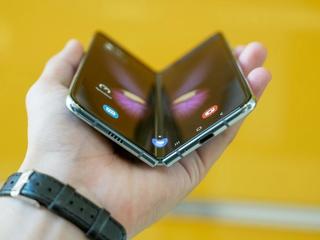
Foldable smartphones represent a significant leap in mobile engineering, but their complex mechanical designs introduce unique care requirements. Unlike conventional smartphones built with a single rigid piece of glass, a foldable device incorporates two completely distinct display environments.
Understanding how these two screens differ is essential before purchasing any aftermarket accessories. The structural demands of bending screens make traditional protective solutions impractical and potentially hazardous.
The Outer Cover Display: Conventional Protection Applies
The exterior cover screen on modern foldables functions identically to a standard smartphone display. Manufacturers build these outer panels using chemically strengthened, rigid glass covers such as Corning Gorilla Glass or Apple's Ceramic Shield formulation.
Because this surface does not flex, bend, or interact with a hinge mechanism, standard protective accessories work seamlessly. Owners can freely apply conventional tempered glass or polyethylene terephthalate (PET) films to guard against keys, drops, and everyday scratches.
Applying an aftermarket protector here poses zero mechanical hazard to the device. Any reputable tempered glass panel designed for your specific model's outer dimensions will adhere securely without interfering with touch sensitivity or optical clarity.
The Internal Folding Display: A Delicate Multi-Layer Stack
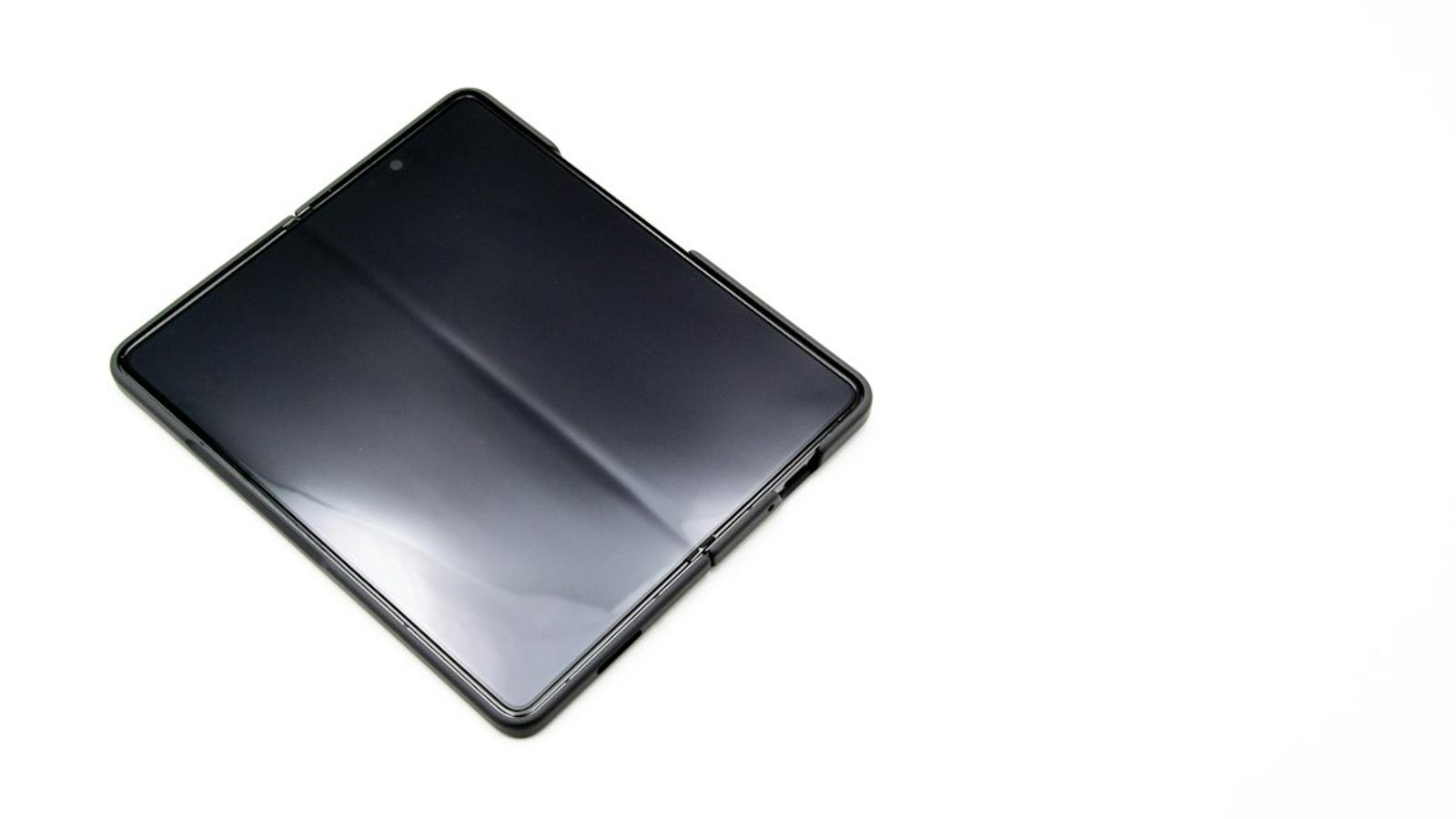
The interior folding screen is fundamentally different, relying on ultra-thin glass (UTG) laminated beneath specialized polymer layers. This flexible panel must bend thousands of times over its operating life without cracking or delaminating.
To safeguard this delicate surface, manufacturers pre-install a proprietary protective layer at the factory. For instance, Samsung equips the Galaxy Z Fold8 with an engineered thermoplastic polyurethane (TPU) screen protector designed specifically to flex continuously across the internal crease.
Similarly, Apple's first foldable device, the iPhone Duo, incorporates a custom internal display protector featuring a nano-texture coating. This treatment serves a dual purpose by delivering a glare-free matte finish while visibly diminishing the appearance of the display crease.
Why Third-Party Inner Screen Protectors Pose Severe Risks
Device manufacturers explicitly warn that applying an unofficial third-party screen protector over the flexible inner display can permanently destroy the panel. When an unauthorized film flexes, it introduces unnatural shear stress across the central hinge fold.
The adhesive chemistry in generic protectors also presents a major failure point. Many third-party glues bond too aggressively to the factory top layer, exerting upward mechanical tension every time the phone unfolds.
Over repeated folding cycles, this tension can peel the factory laminate away from the underlying OLED substrate. Once bubbling or separation begins near the crease, total display malfunction inevitably follows.
Even aftermarket films marketed as ultra-thin—often measuring under 0.1mm—can disrupt the tight clearance tolerances established by the hinge housing. Adding extra thickness creates localized pressure points when the device closes shut.
The History Behind Factory Screen Protector Warnings
Manufacturer cautions regarding inner screens stem directly from early foldable design missteps. When Samsung launched the original Galaxy Fold, early reviewers mistook the structural protective layer for standard shipping film and peeled it off, triggering immediate display failure.
That incident forced the industry to completely redesign hinge enclosures and anchor protective layers beneath device bezels. The fundamental lesson remains clear: the internal protective layer is an integral component of the display assembly, not an optional accessory.
Peeling, modifying, or layering unauthorized films on top of this factory-integrated shield voids standard manufacturer warranties. If a third-party film damages the flexible OLED, repair bills frequently cost several hundred dollars.
Hinge Vulnerabilities and Environmental Exposure
The risks associated with third-party adhesives are compounded by the environmental vulnerabilities inherent to folding mechanisms. Hinges require microscopic interior clearance to rotate smoothly, making them sensitive to external debris.
Samsung's Galaxy Z Fold models feature an IP48 ingress rating, which provides solid water protection but leaves internal mechanisms susceptible to sand or dust particles smaller than 1mm. Rigid aftermarket films can trap fine particles against the screen, driving them into the hinge housing during closure.
In contrast, Apple's iPhone Duo achieves an IP68 certification, ensuring complete dust-tight sealing alongside water immersion resistance. However, even with complete dust sealing, third-party screen adhesives can shift under friction and wedge against internal mechanical gaskets.
What to Do If Your Factory Protector Bubbles or Lifts
Over extended periods of heavy use, factory-installed screen protectors can naturally develop bubbling or hairline lifting along the center crease. When this occurs, users should resist the temptation to purchase cheap online replacement kits.
Applying a DIY adhesive kit without specialized tooling almost always introduces air pockets and uneven pressure distribution. In the worst cases, aggressive solvent wipes provided in third-party kits degrade the factory oleophobic coating.
Both Samsung and Apple operate official internal screen protector replacement services that utilize calibrated alignment jigs and precision roller equipment. Trained technicians in authorized service centers apply controlled tension to seat the new flexible film without stressing the underlying OLED panel.
Visiting an authorized repair location guarantees that the replacement protector matches factory optical and mechanical specifications. Most manufacturers provide one complimentary internal protector replacement within the initial warranty term.
Best Practices for Maintaining Foldable Screens
Keeping a foldable device in pristine condition requires mindful daily habits rather than thick aftermarket armor. For the outer display, feel free to install high-grade tempered glass or privacy filters to protect against surface scratches.
For the delicate inner display, rely solely on the factory-installed protective layer and keep the interior free of crumbs, grit, and excessive fingernail pressure. Always close the device when not in use to shield the flexible display from incidental contact.
By respecting the structural distinctions between rigid outer glass and flexible internal polymers, owners can maximize device longevity without endangering their investment.
Frequently Asked Questions About Foldable Phone Screen Protectors
Can you safely apply a third-party screen protector to an inner foldable display?
Applying a third-party film to the folding inner screen risks permanent display damage. Manufacturers explicitly advise against unofficial films because their adhesives and thickness can stress the folding mechanism and void your warranty.
Are standard aftermarket screen protectors compatible with the outer cover screen?
Yes. The outer cover screen utilizes rigid, chemically strengthened glass such as Gorilla Glass or Ceramic Shield. Standard tempered glass or PET protectors can be safely installed without risking damage to the folding components.
Where should you go to replace a damaged factory-installed screen protector?
Both Samsung and Apple provide official factory protector replacement services at authorized centers. Technicians use proprietary alignment machinery to apply specialized TPU or nano-texture films without compromising screen integrity.
Can you remove the pre-installed screen protector yourself if it starts peeling?
No. Peeling the built-in factory protector can cause immediate panel malfunctions and void your repair coverage. If the pre-installed film begins bubbling or lifting, visit an authorized repair provider for a certified replacement.
Related articles