Should You Buy or Rent Your Router from Your Internet Service Provider?
While renting an ISP router offers convenience, buying your own networking equipment can save money over time and provide better security and Wi-Fi features.
By Tradifox Editorial· 3 min read
This article was generated with AI from the sources it names. Report an error
The Financial Equation of Renting Versus Buying
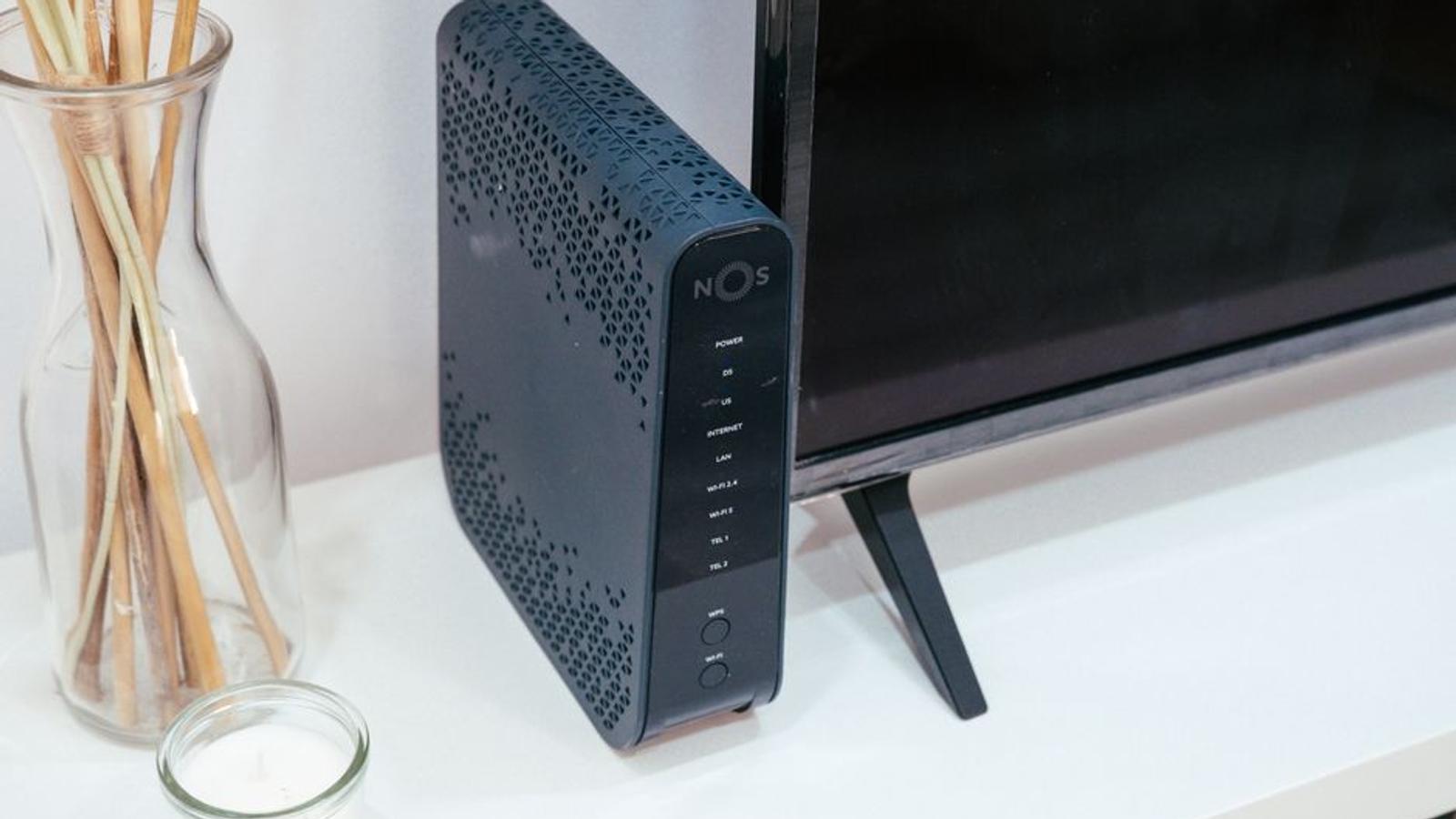
When subscribing to home broadband, internet service providers typically prompt subscribers to lease an all-in-one gateway modem and router combination. Historically, these rental agreements add between $10 and $20 per month to an ongoing utility bill, quietly increasing the annual cost of service by hundreds of dollars.
While some providers have begun absorbing hardware expenses directly into their base plan rates, many continue to monetize hardware leases. Calculating the breakeven point reveals how rapidly equipment purchases pay for themselves.
For example, purchasing an operator gateway outright for $200 instead of paying a recurring $20 monthly rental charge offsets the initial investment in just 10 months. That timeline easily undercuts typical one-year promotional contract lengths, generating direct savings across subsequent billing cycles.
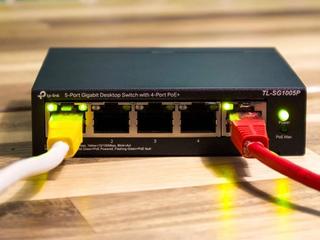
Investing in dedicated third-party hardware yields a similar long-term payoff. Sourcing an independent standalone DOCSIS modem for approximately $125 paired with a capable $150 router amounts to a $275 combined outlay. Compared against an ongoing $15 monthly rental fee, this setup reaches its financial breakeven mark within roughly 18 months.
Hardware Costs and Performance Ceilings
Shopping for standalone networking equipment requires balancing budget constraints against broadband tier speeds. Entry-level cable modems start near $55, but these budget units frequently cap maximum download throughput at 400 Mbps. Gigabit-capable modems generally range from $100 to $150, while future-proof hardware designed to handle 2.5 Gbps or multi-gig connections scales from $175 to $300.
Independent routers follow a comparable pricing curve. Ultra-budget standalone models begin around $50, entry-level Wi-Fi 7 units arrive near $100, and high-performance routers reach roughly $200 before entering premium whole-home mesh territory.
Beyond raw economics, modern carrier policies vary widely. Major fiber operators like Verizon Fios frequently mark routers as included through monthly discount credits while offering standalone Wi-Fi 6E units for purchase at $400. Meanwhile, cable providers such as Xfinity include gateway equipment on entry-level tiers like 300 Mbps, while simultaneously publishing approved third-party modem registries for users seeking alternative hardware.
Privacy Controls and Technical Autonomy
Financial considerations represent only part of the decision. Choosing between leased gateways and owned equipment significantly impacts technical flexibility and data privacy.
Provider-issued gateways are configured to facilitate remote management, permitting technicians to adjust settings and catalog connected household devices remotely. These bundled devices also tend to lock down core network configurations, often preventing consumers from assigning custom DNS servers or deploying network-wide VPN tunnels.
Furthermore, standard gateways deployed by providers like Xfinity broadcast public Wi-Fi networks by default. Although operators maintain that guest hotspots do not degrade subscriber bandwidth or compromise security, owning dedicated third-party hardware eliminates external network broadcasting entirely.
Renting equipment remains advantageous for consumers prioritizing plug-and-play technician support, zero upfront charges, and hands-off hardware replacements every few years. However, purchasing third-party hardware grants users total administrative autonomy, complete security customizability, mesh expandability, and the freedom to retain functional networking gear when transitioning between compatible service providers.
Frequently Asked Questions About ISP Router Hardware
How long does it take to break even after buying your own router?
If an ISP charges $15 per month for hardware, spending around $275 on a separate modem and router breaks even within 18 months.
At a higher $20 monthly rental rate, purchasing a $200 standalone unit recoups costs in roughly 10 months, providing recurring savings once past the initial payback period.
Is buying your own router always cheaper than ISP rental?
Not always. Providers like Xfinity and Verizon Fios frequently include gateway hardware directly within base tier pricing without separate rental fees.
In scenarios where hardware is bundled at no extra monthly charge, purchasing third-party networking equipment yields zero financial savings.
Will third-party routers work with any internet service provider?
Yes. Most cable and fiber providers allow third-party equipment, though cable subscribers must choose modems certified on the provider's compatibility list.
Fiber connections typically require the carrier's optical network terminal (ONT), but users can freely connect their own third-party Wi-Fi routers directly to it.
Does renting a router from an ISP create privacy or security concerns?
ISP gateways allow remote technician diagnostics and frequently restrict adjustments to DNS servers or network-level VPNs.
Additionally, units like Xfinity gateways broadcast secondary public Wi-Fi hotspots by default, whereas retail routers provide granular privacy controls and custom firmware options.
Related articles