Why Don't You See External Antennas on Mesh Wi-Fi Systems?
While traditional routers bristle with external antennas, modern mesh Wi-Fi systems hide them inside. Learn how this design choice balances aesthetic appeal with whole-home coverage and network reliability.
By Tradifox Editorial· 4 min read
This article was generated with AI from the sources it names. Report an error
Architecture Built for Coverage, Not Raw Reach
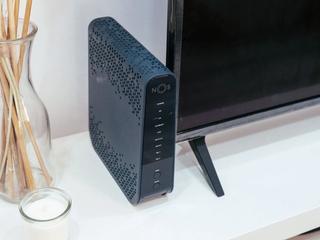
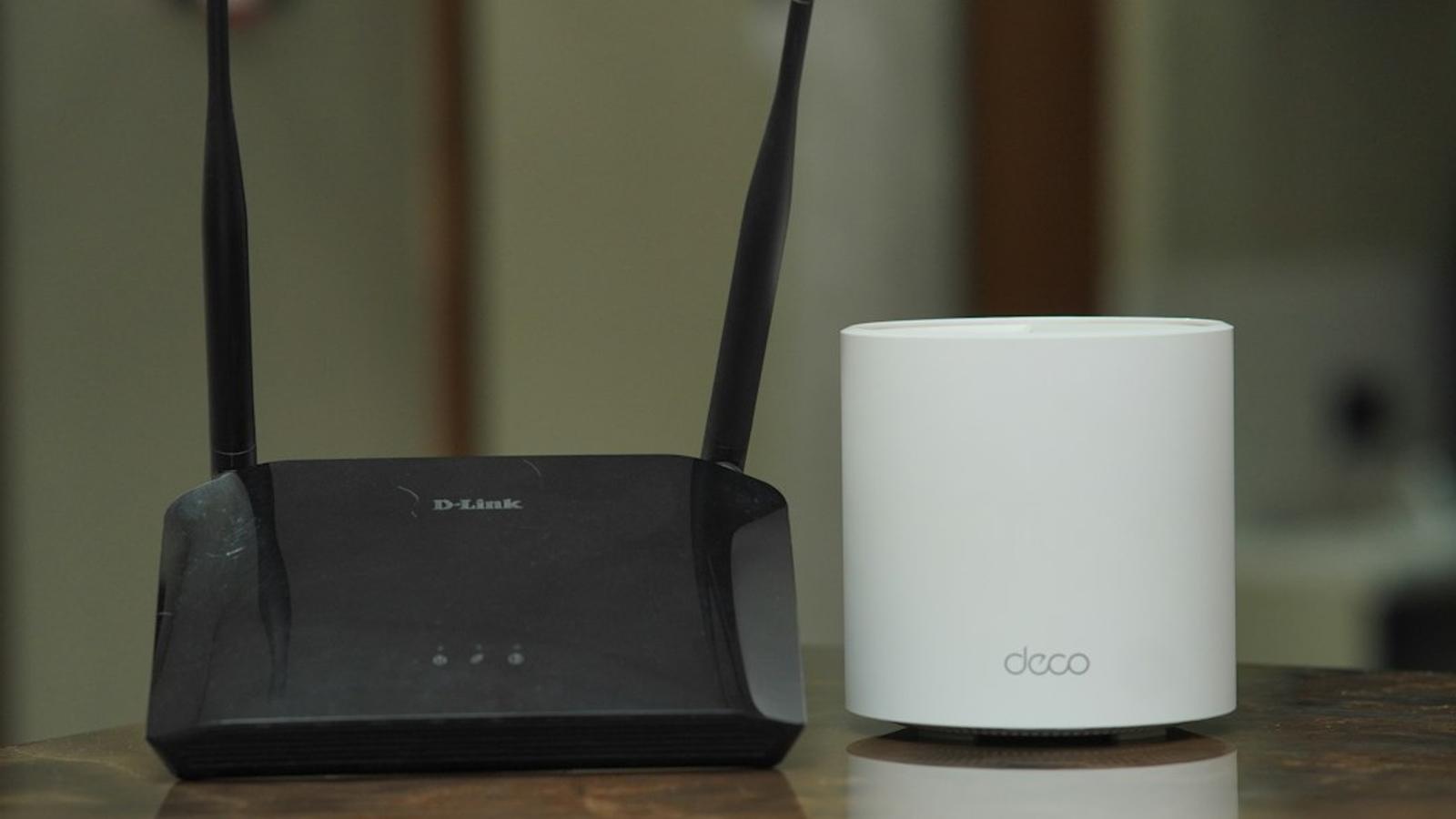
Unlike traditional standalone routers designed to blast wireless signals from a single corner of a house, mesh Wi-Fi hardware operates on a distributed architecture. Each node in a mesh network functions primarily to relay data to a sibling unit or communicate with devices located just a room or two away. Maximizing line-of-sight range through tall, directional antennas becomes largely redundant when satellite pods are intentionally positioned throughout the home to eliminate dead zones.
This shift in physical layout fundamentally changes how antennas need to radiate. Mesh nodes generally utilize internal omnidirectional antennas calibrated to cast broad, spherical coverage patterns rather than narrow, focused beams. This wide radiation profile allows nodes to reliably detect roaming client devices and pass connections seamlessly between access points without sudden drops in bandwidth.
While internal designs sacrifice maximum theoretical range, that compromise matters very little in practice. Mesh networks prioritize consistent throughput across an entire household over setting raw speed records right next to a single base station.
Mechanical Vulnerabilities and User Error
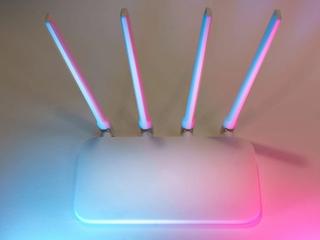
External antennas present distinct physical liabilities in typical domestic settings. Extended plastic masts and rotating hinge joints act as leverage points that can easily snap if a child bumps the unit, if a pet snags a wire, or during household moves. By enclosing delicate radio elements entirely inside a sealed plastic housing, manufacturers protect sensitive hardware against accidental damage and daily impacts.
Beyond durability, fixed internal designs eliminate the risk of accidental user error. Traditional external routers often suffer from degraded coverage simply because owners align the plastic stalks in conflicting or ineffective directions, such as pointing them directly toward client devices rather than perpendicular to them. Concealed internal antennas ensure the radio arrays remain permanently fixed in their factory-optimized spatial orientation.
Attempting to route multiple bands through external stems would also introduce staggering physical clutter. High-end mesh nodes often integrate separate radio chains to handle a dedicated wireless backhaul alongside client traffic. Exposing all of those separate transceivers would turn a compact shelf pod into a fragile thicket of protruding plastic sticks.
Manufacturing Economics and Component Consolidation
From an industrial production standpoint, internal antenna placement delivers substantial cost and engineering efficiencies. External aerials require specialized coaxial pigtail cables, gold-plated connectors, molded plastic stalks, and precision hinges. While these extra mechanical components add only modest marginal expenses to an individual bill of materials, those tiny costs compound dramatically across manufacturing runs of millions of retail units.
Directly mounting compact stamped-metal or printed trace antennas onto the system circuit board simplifies robotic assembly and speeds up automated testing. While integrating radio elements beside hot chips presents minor interference risks, modern shielding and PCB layout techniques largely neutralize these concerns without sacrificing network reliability.
Domestic Aesthetics and Strategic Placement
Perhaps the most practical justification for internal antennas centers on human psychology and home decor. Mesh networks only function effectively when nodes occupy central, elevated positions out in the open, rather than being shoved inside cabinets or tucked behind furniture. A minimalist, understated plastic cylinder or soft-cornered pod blends into a living room or kitchen far more naturally than an aggressive, multi-spoke gaming router resembling an overturned arachnid.
Because users are significantly more willing to leave clean, antenna-free hardware exposed on open shelves and side tables, the devices actually perform better in daily life. Clear line-of-sight positioning reduces the physical obstacles radio waves must penetrate, more than offsetting any minor signal loss caused by concealing the antennas inside the chassis.
Frequently Asked Questions About Mesh Wi-Fi Antenna Design
Why don't mesh Wi-Fi nodes require long-range external antennas?
Mesh systems use multiple nodes placed around the home to repeat signals and blanket living spaces. Because each satellite unit primarily communicates with a sibling node or nearby client devices a room or two away, extreme single-point broadcast range is unnecessary.
How do internal omnidirectional antennas improve device handovers?
Internal antennas broadcast omnidirectional signals, casting a broad net across rooms. This uniform pattern allows satellite nodes to rapidly detect moving mobile devices and execute smooth connection handovers without the dead zones caused by misaligned external aerials.
Would adding external antennas to mesh routers make them more fragile?
Higher-end mesh systems often feature dedicated backhaul channels alongside client bands. Supporting these channels externally would require a fragile forest of aerials, adding per-unit manufacturing costs and making units vulnerable to snapping during household moves.
How does domestic device placement influence mesh router design?
Mesh nodes rely on direct line of sight in central living areas to perform well. Minimalist, antenna-free enclosures blend into home decor, encouraging users to keep nodes out in the open rather than hiding them inside signal-blocking cabinets or behind furniture.
Related articles