Is the Apple Watch Series 10 Still Worth Buying in 2026?
With the Apple Watch Series 10 moving to refurbished markets in 2026, buyers must weigh its older battery and processor against modern Series 12 upgrades to decide if the savings are truly worthwhile.
· 9 min read
This article was generated with AI from the sources it names. Report an error
Evaluating the Apple Watch Series 10 in 2026
Navigating the smartwatch market in 2026 presents buyers with a familiar dilemma. With incremental hardware upgrades and rising retail price tiers across Apple's lineup, choosing between a brand-new release and a previous-generation wearable requires evaluating actual day-to-day utility. The Apple Watch Series 10, originally unveiled in late 2024, has reached a crucial midpoint in its product life cycle.
Unlike traditional mechanical watches that retain value indefinitely, modern digital wearables operate against strict software obsolescence cycles. While iPhones and Macs frequently receive long-term maintenance schedules, Apple Watches historically maintain a shorter operational lifespan. Understanding where the Series 10 stands against current options helps clarify whether saving money on refurbished inventory outweighs the benefits of newer silicon.
Today, prospective shoppers will no longer find the Apple Watch Series 10 on official Apple Store shelves. As is standard practice, Apple delisted the 2024 flagship to direct consumer attention toward the Apple Watch Series 11 and the newly introduced Series 12. Consequently, purchasing a Series 10 in 2026 requires navigating third-party marketplaces and verified refurbished vendors.
Pricing and the Value Equation
Price remains the strongest argument in favor of the older wearable. On secondary platforms such as Amazon Renewed, certified pre-owned Series 10 units regularly retail for roughly $250. This pricing provides a noticeable entry point into Apple's ecosystem without requiring full retail commitment.
In contrast, the Apple Watch Series 12 arrives with an entry MSRP of $400 for standard aluminum configurations. For shoppers tracking personal budgets, that $150 difference represents a 37 percent savings upfront. However, assessing true value requires looking beyond the sticker price to evaluate battery longevity and remaining years of software support.
Investing in a secondary market unit also introduces variables regarding physical condition and battery degradation. Refurbished devices may carry small cosmetic imperfections, and older rechargeable lithium-ion cells naturally hold less charge than a factory-sealed unit. Buyers must ensure that any refurbished device guarantees at least 80 percent maximum battery capacity.
Display and Exterior Hardware
From a purely visual perspective, the Apple Watch Series 10 continues to hold its own against newer iterations. The display reaches up to 2,000 nits of peak brightness, ensuring clear legibility in outdoor sunlight. Furthermore, wide-angle OLED technology maintains off-axis readability whether glancing at notifications while typing or exercising.
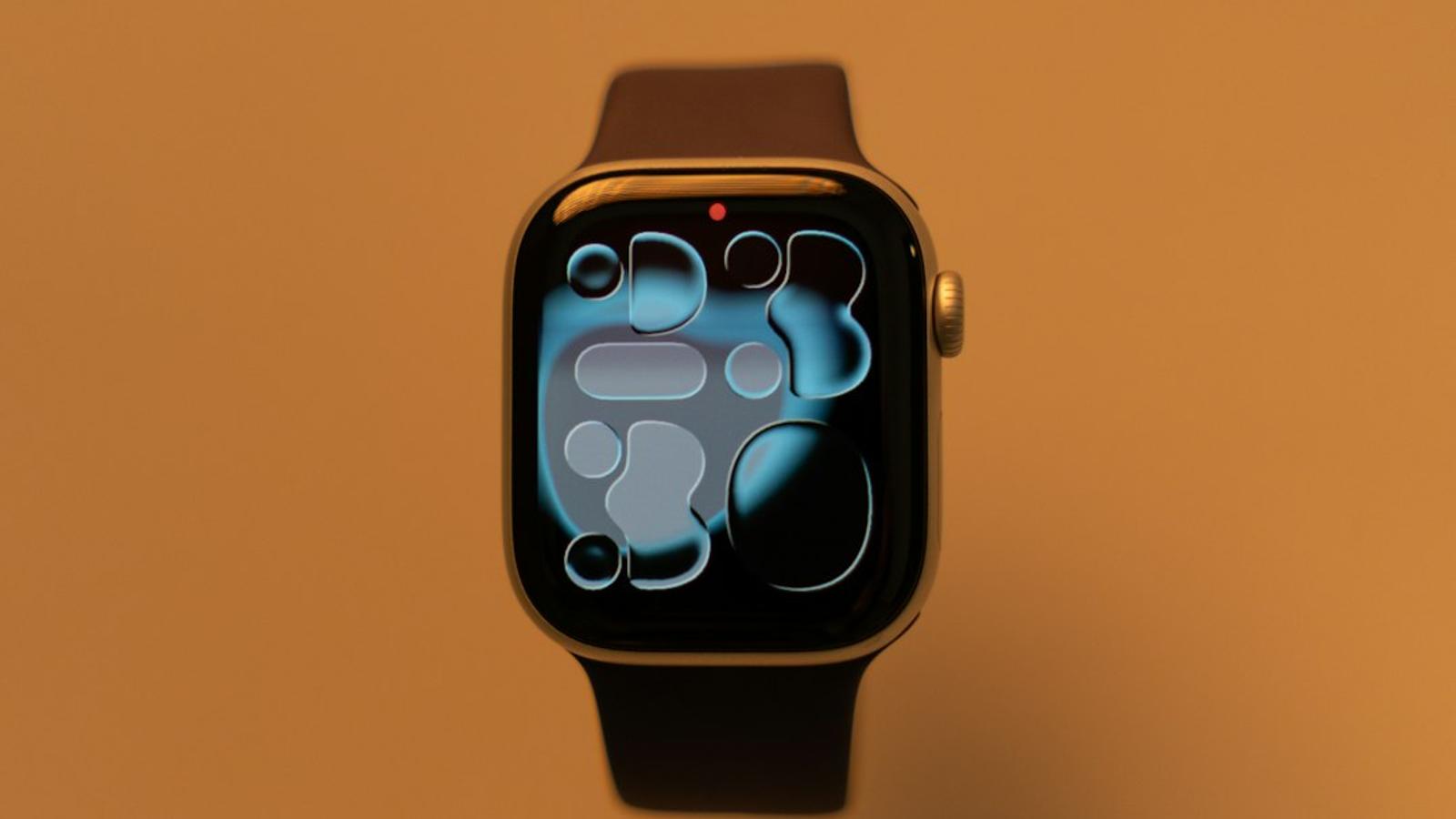
Interestingly, the Series 10 retains a subtle aesthetic advantage over its immediate successors. Social media feedback and hands-on comparisons highlight that the Series 10 features noticeably slimmer display bezels than the Series 12. This creates an expansive edge-to-edge look across the watch face that feels remarkably contemporary.
Material finishes also offer unique appeal for style-conscious consumers. The Series 10 launched with a distinct polished Jet Black Aluminum option alongside premium lightweight titanium editions. While the newer Series 12 reverted to a standard matte Black Aluminum finish, the Series 10 lacks ceramic casing options that some luxury buyers prefer.
Daily Performance and Software Longevity
Performance metrics tell a more complicated story once modern operating systems enter the equation. Having launched in 2024, the Series 10 has already absorbed three major watchOS version cycles. While the hardware runs modern system components, performance benchmarks reveal that the older processor is starting to show its age under intensive workloads.
Recent technical reviews note that navigating system applications on the Series 10 is no longer seamless. Long-term testing shows occasional frame drops during multitasking and slightly delayed app launch speeds compared to the original watchOS 11 release. Demanding interface transitions occasionally stumble under the weight of modern background tasks.
In contrast, the Apple Watch Series 12 incorporates the advanced S11 processor built on Apple's A20 Pro architecture. Backed by 4GB of RAM—double the system memory found inside the Series 10—the newer model processes tasks with immediate responsiveness. This expanded memory overhead provides critical breathing room for upcoming watchOS updates that the Series 10 will likely struggle to manage.
Software support windows represent an ongoing risk for any wearable approaching middle age. With three major updates already logged, industry analysts estimate the Series 10 will receive approximately three more years of watchOS platform updates. However, extended longevity remains an open question, especially considering hardware like the original Apple Watch Ultra received only four major cycles before support was curtailed.
Health and Fitness Tracking Differences
Health tracking capabilities remain a cornerstone of Apple's wearable strategy, and the Series 10 maintains a formidable baseline. Users retain access to on-demand electrocardiogram (ECG) scans, cycle tracking, sleep apnea risk notifications, and optical heart-rate measurements. Crash detection and fall alerts also operate reliably without functional compromise.
Where the Series 10 falls behind modern hardware is background measurement frequency. The Series 12 features a redesigned Health Sensing System capable of logging heart rate readings every five seconds throughout the day. By comparison, passive background heart rate checks on the Series 10 trigger only once every five minutes during idle periods.
For casual fitness enthusiasts and everyday step counting, a five-minute measurement interval remains perfectly functional. However, users managing cardiac anomalies or dedicated endurance athletes tracking resting recovery data will appreciate the tighter sampling window. The increased data granularity on newer hardware provides a richer historical physiological picture over time.
Battery Life and Connectivity
Power management remains another defining generational divide between hardware iterations. The Series 10 carries Apple's traditional 18-hour battery rating, requiring nightly charging routines or midday top-offs if worn during sleep tracking. With typical battery degradation on refurbished hardware, meeting that 18-hour target requires cautious use of power-hungry settings.
The Series 12 moves the baseline forward by advertising up to 24 hours of standard runtime under regular operation. That extra six-hour cushion offers peace of mind for travelers and active users who want reliable multi-day tracking without constant power anxiety. The efficiency gains in newer chips simply allow longer periods between wall outlets.
Network connectivity also shows generational divergence in cellular-equipped variants. While cellular models of the Series 12 support modern 5G connectivity for swift audio streaming and standalone mapping, the Series 10 relies strictly on older LTE modems. For untethered outdoor runs or quick errands away from an iPhone, the modern modem delivers noticeably faster data handshakes.
Software Feature Compatibility
Despite architectural differences, Apple has extended substantial feature parity across its recent wearable generations. The Series 10 remains compatible with core Apple Intelligence tools, modern Siri interactions, and the updated Liquid Glass interface elements. Users do not lose access to essential ecosystem conveniences by opting for the 2024 model.
Everyday conveniences like Apple Pay, home key access, and turn-by-turn haptic navigation behave identically across both generations. Furthermore, the 50-meter water resistance rating ensures the Series 10 handles lap swimming and open-water activities without issue. For the core tasks smartwatches excel at, the user experience feels familiar and capable.
Nonetheless, future software feature additions will undoubtedly favor models containing dedicated neural processing engines and expanded RAM. Buyers should anticipate that prospective watchOS releases will restrict complex on-device machine learning workflows to newer chips. Choosing the Series 10 means accepting that its feature set is largely finalized in its current state.
Who Should Buy the Series 10 in 2026?
Determining whether the Series 10 represents a smart purchase depends heavily on an individual buyer's expectations and financial priorities. Budget-conscious shoppers who want modern design, reliable health tracking, and seamless iPhone integration will find a refurbished Series 10 to be an excellent value. At roughly $250, it offers an accessible gateway into watchOS.
It also serves as an ideal upgrade path for consumers migrating from substantially older watches, such as the Series 6 or Series 7. Moving from those legacy units to the Series 10 yields immediate benefits: a larger edge-to-edge display, a lighter chassis, faster charging, and crucial safety features like sleep apnea tracking. The improvements will feel transformative without incurring current-generation hardware prices.
Conversely, power users who intend to wear their device for four or five consecutive years should think carefully before purchasing a Series 10. The combination of an aging processor, slower background biometric sampling, and an impending software support sunset make newer alternatives more sensible for long-term ownership.
Final Verdict
The Apple Watch Series 10 remains a capable, stylish, and practical wearable in 2026, but it is no longer an automatic recommendation for everyone. Its ultra-slim bezels, sharp OLED panel, and standard health monitoring toolkit keep it competitive against entry-level options on the market. For secondary-market shoppers seeking maximum value under $300, it easily outperforms lower-tier wearable alternatives.
However, the Apple Watch Series 12 clearly justifies its higher asking price for those prioritizing longevity, battery stamina, and future watchOS support. If budget is the primary deciding factor, the Series 10 delivers core Apple quality at a deep discount; just go into the purchase aware of its hardware limits.
Frequently Asked Questions About Buying the Apple Watch Series 10
Where can shoppers purchase an Apple Watch Series 10 in 2026 and what is the typical price?
Apple has delisted the Series 10 from its official storefront. Shoppers in 2026 must rely on third-party outlets like Amazon, where renewed models start around $250. This presents substantial savings against the $400 base retail price of the newer Series 12.
How much longer will Apple provide watchOS software updates for the Series 10?
Having absorbed three major watchOS updates since its 2024 debut, the Series 10 likely has around three years of software support remaining. However, newer hardware offers significantly more future headroom due to doubled RAM (4GB) and the S11 chip.
What health tracking and battery compromises come with choosing the older Series 10?
The Series 12 introduces a redesigned sensor that logs heart rates every five seconds, compared to the five-minute intervals on the Series 10. The newer model also increases battery life to 24 hours, while the Series 10 remains rated for 18 hours.
Are there noticeable connectivity or performance limitations on the Series 10 in 2026?
The cellular Series 10 lacks 5G connectivity, relying on older cellular standards. It also shows occasional interface sluggishness on newer watchOS versions, whereas modern models handle modern UI navigation and background tasks much more fluidly.
Related articles