UK Imposes First Sanctions on Israeli Settlement Firms
Foreign Secretary Ed Miliband has introduced the UK's first sanctions targeting Israeli companies over West Bank settlements to safeguard the two-state solution.
· Source: The Guardian
This article was generated with AI from the sources it names. Report an error
UK Foreign Secretary Ed Miliband has announced the British government's first sanctions targeting Israeli companies involved in planning and construction across the occupied West Bank, as reported by The Guardian. The measures apply to eight Israeli construction, property development, and architectural firms that plan, build, or market housing and infrastructure in illegal settlements.
The action was taken ahead of the Israeli government allocating tenders for settlement development in the E1 corridor. The Foreign Office warned that expanding settlements in this area severely undermines the viability of a two-state solution.
Protecting the Two-State Solution
Outlining the policy rationale, Miliband emphasised the government's diplomatic priorities regarding regional peace. "Protecting the two-state solution is the north star of this government’s approach. That is why my message on E1 is clear: do not bid, do not build, and do not profit from the destruction of the two-state solution," Miliband stated.
The Foreign Office noted that the current Israeli government has facilitated and encouraged illegal settlements at an unprecedented pace. Official statements indicated that more settlements were approved during its four years in power than in the preceding 20 years combined.
Financial Restrictions and Trade Measures
The sanctions against the eight corporate entities are designed to halt British financing flows to West Bank development schemes. However, The Guardian reported that the companies' reliance on UK finance has not yet been tested.
The latest announcement builds on previous policy shifts by the Foreign Office. On 2026-09-08, Miliband announced an expansion of the UK's Global Human Rights sanctions regime alongside pending measures intended to ban trade in goods produced in illegal settlements.
Action Over Gaza Humanitarian Blockades
In addition to targeting settlement infrastructure, the UK government imposed sanctions on a rightwing Israeli activist group. The organisation was involved in attempting to block humanitarian aid shipments into Gaza as recently as October 2026.
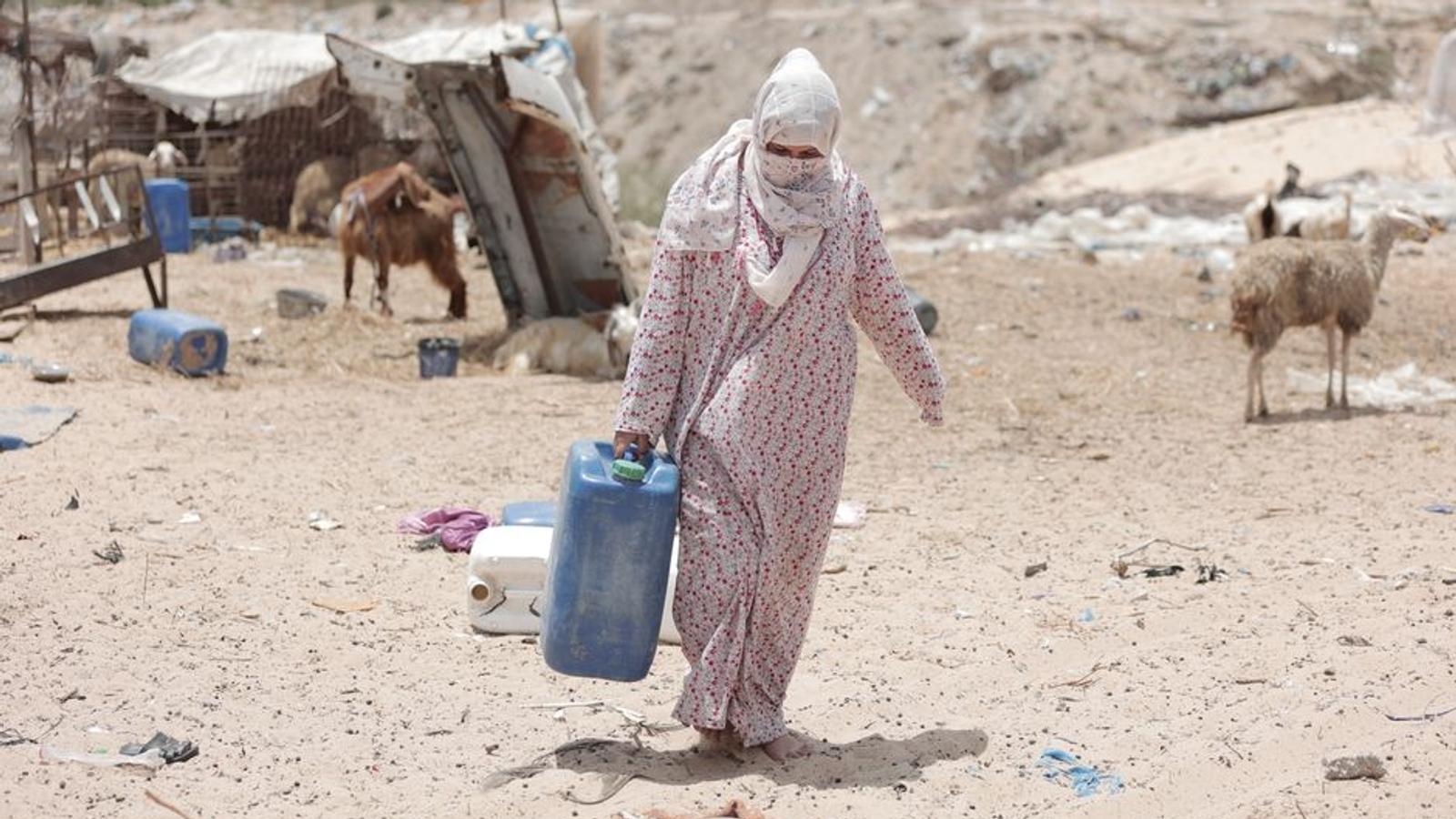
The measures come amid severe humanitarian distress within the territory. The Foreign Office reported that 1.4 million people in Gaza live in tents or makeshift shelters, with nearly 4,000 households left entirely without shelter following catastrophic flooding.
According to the UN, Israeli authorities continue to hold more than 150,000 tents and 300,000 tarpaulins outside Gaza. International officials confirmed that authorities also continue to block timber shipments, leaving no emergency shelter kits available inside the territory.
UK Sanctions on Israeli Settlement Firms FAQ
Which entities are targeted by the new UK sanctions?
UK Foreign Secretary Ed Miliband announced sanctions targeting eight Israeli construction, property development, and architectural companies involved in planning, building, or marketing settlements in the West Bank.
Sanctions were also imposed on a rightwing activist group that attempted to block aid into Gaza.
Why did the Foreign Office intervene over the E1 corridor?
The sanctions arrived ahead of tenders being allocated for the E1 corridor settlement. Miliband warned that building in E1 undermines the two-state solution, stating his message was clear: do not bid, do not build, and do not profit from its destruction.
What is the primary financial goal of these sanctions?
The measures aim to halt British financing flows to the eight settlement companies.
However, The Guardian reported that the extent of these firms' reliance on UK finance has not yet been tested.
What humanitarian concerns were highlighted in Gaza?
The Foreign Office reported 1.4 million people in Gaza live in tents or makeshift shelters, with nearly 4,000 households displaced by flooding.
According to the UN, Israeli authorities hold over 150,000 tents and 300,000 tarpaulins outside Gaza, leaving no emergency kits inside.