ICJ Rules Myanmar Committed Genocide Against Rohingya
The International Court of Justice has found Myanmar directly responsible for genocide against the Rohingya minority, concluding a historic seven-year legal battle in The Hague.
By Tradifox Editorial· Source: The Guardian
This article was generated with AI from the sources it names. Report an error
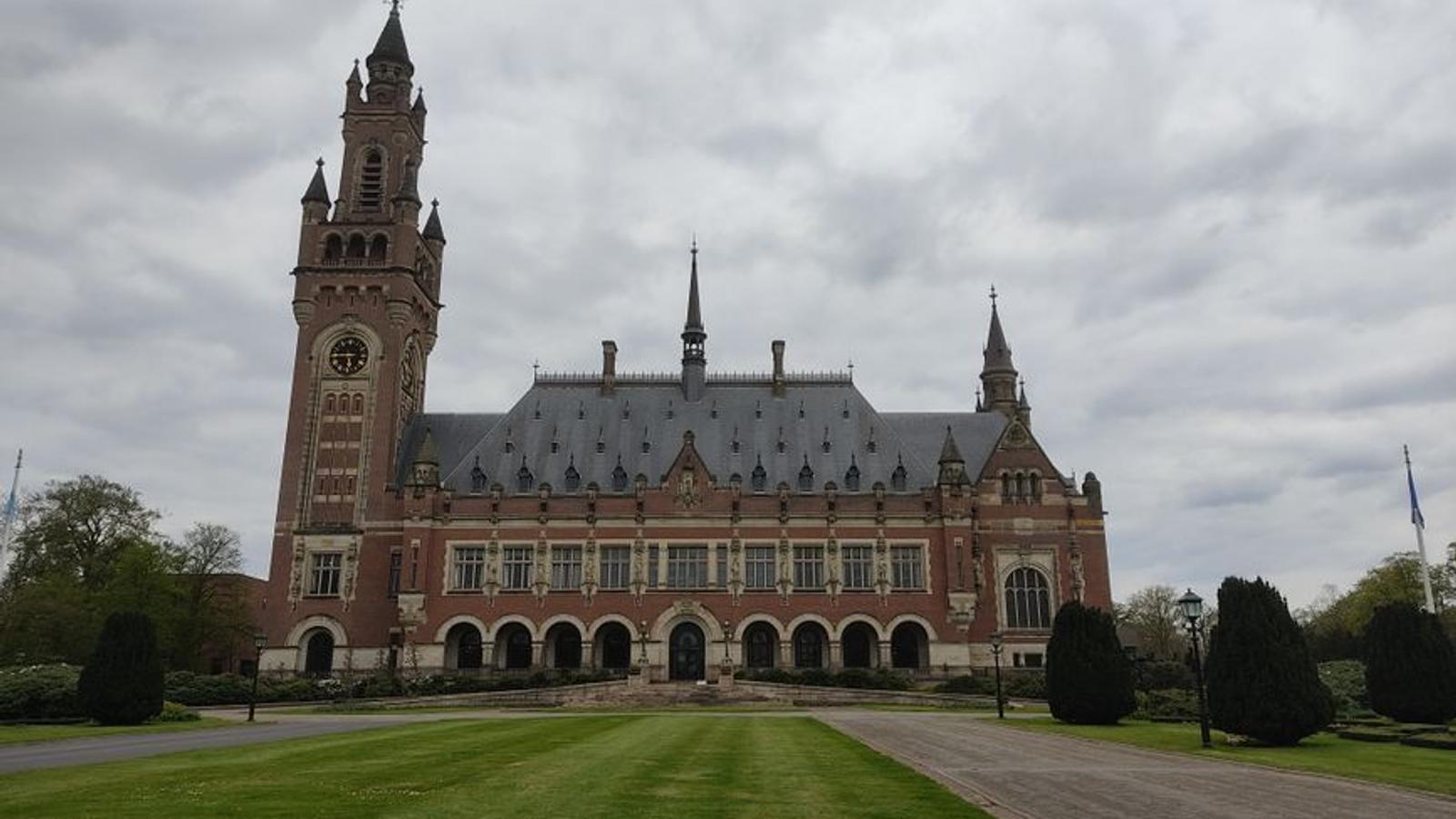
The International Court of Justice has ruled that Myanmar committed genocide against the Rohingya minority during its 2016–2017 military campaign, concluding a seven-year legal battle in The Hague. A nine-judge majority on the 15-seat bench found the state directly responsible under the 1948 UN convention, marking the first time the world's highest court has held a nation directly culpable for genocide, according to the ruling reported by The Guardian.
ICJ President Yuji Iwasawa delivered the judgment, stating that the court was "fully convinced that Myanmar committed acts falling under … the genocide convention with an intent to destroy a substantial part of the Rohingya population in Myanmar." The case had been brought before the UN-run court by the Muslim-majority nation of The Gambia on behalf of survivors, following military operations in Rakhine state that drove more than 700,000 Rohingya refugees into neighbouring Bangladesh.
Rejection of Counter-Terrorism Defence
The judges firmly rejected Myanmar's defence that the military clearance operations were counter-terrorism measures against a guerrilla militant group, or merely an effort to displace the population without genocidal intent. Gambian Justice Minister Dawda Jallow emphasised to the court that the proceedings were not "about esoteric issues of international law" but "about real people, real stories and a real group of human beings" targeted for destruction.
The court detailed extensive atrocities carried out during the campaign, concluding that Myanmar used sexual violence to "physically and mentally impair the willingness and ability of the [Rohingya] population to procreate." Judges also cited measures intentionally designed to restrict births within the community, including the enforcement of two-child limits per family.
Reparations and the Displaced Population
Under the binding ruling, Myanmar must provide reparations and restitution to the affected population. These court-ordered measures include permitting the safe return of Rohingya refugees, returning or replacing confiscated property, and providing comprehensive physical and mental rehabilitation services to survivors.
The verdict comes as more than one million Rohingya remain in Bangladesh within the world's largest refugee settlement, while fewer than 600,000 live inside Myanmar. Meanwhile, Myanmar leader Min Aung Hlaing, who headed the military during the 2016–2017 operations, continues to face a pending arrest warrant for alleged crimes against humanity from the International Criminal Court.
ICJ Ruling on Myanmar Genocide FAQ
What did the ICJ conclude regarding Myanmar?
A nine-judge majority on the 15-seat International Court of Justice ruled that Myanmar committed genocide against the Rohingya minority during its 2016–2017 military campaign.
This historic judgment marks the first time the world's highest court has held a state directly responsible for genocide under the 1948 convention.
Who brought the genocide case against Myanmar to the court?
The Muslim-majority nation of The Gambia brought the case to the International Court of Justice on behalf of Rohingya survivors following the military campaign.
The final ruling on 19 November 2026 concluded a seven-year legal battle examining the clearance operations that forced over 700,000 refugees into Bangladesh.
What reparations must Myanmar provide under the judgment?
The ICJ ruled that Myanmar must provide reparations and restitution to the Rohingya.
Required measures include permitting the safe return of refugees, returning or replacing destroyed property, and supplying both physical and mental rehabilitation to survivors.
Does Myanmar's military leader face legal consequences?
Myanmar leader Min Aung Hlaing, who directed the military during the 2016–2017 operations, faces an arrest warrant from the International Criminal Court for alleged crimes against humanity.
Meanwhile, judges rejected Myanmar's claims that the actions were merely counter-terrorism measures.