How to Join the UK Priority Services Register for Winter Power Cuts
Joining the UK Priority Services Register ensures vulnerable households receive advance outage warnings and emergency support ahead of severe winter power cuts.
By Tradifox Editorial· 7 min read
This article was generated with AI from the sources it names. Report an error
Review Household Eligibility Requirements
Joining the Priority Services Register begins with determining whether anyone living in your property qualifies for additional assistance. The register is a free service designed to safeguard households that may be vulnerable during utility supply disruptions. Energy suppliers and network distribution operators maintain these lists under guidelines regulated by Ofgem, ensuring that help reaches those most affected by winter power cuts.
Assess Age and Family Circumstances
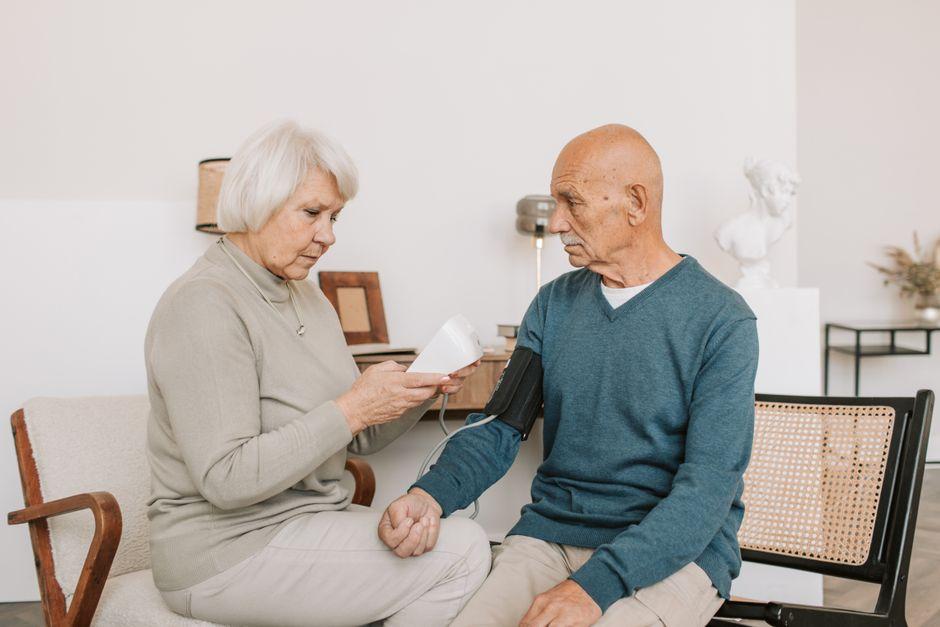
Households qualify if any resident has reached State Pension age, creating essential coverage for older individuals who struggle during sustained heating losses. Eligibility also extends to families with young dependents, specifically homes where a resident is pregnant or where children under the age of five reside. In addition, households experiencing communication barriers with English meet the standard requirements for inclusion on the register.
Check Long-Term Health Conditions and Disabilities
Physical and cognitive conditions form a major part of the registration guidelines. Individuals qualify if they live with long-term disabilities, mental health conditions, cognitive impairments, or a loss of smell. Crucially, anyone dependent on power-reliant medical equipment must register to ensure network operators recognize their urgent energy needs during unplanned blackouts.
Consider Short-Term Life Changes and Vulnerabilities
Eligibility is not limited to permanent health issues. Temporary enrollment is available for individuals navigating major life changes that make power cuts particularly disruptive. This includes residents recovering from an injury, managing post-hospital discharge care, coping with bereavement, or dealing with recent job loss. These provisions ensure temporary protections remain accessible when domestic resilience is lowered.
Identify Your Energy Supplier and Network Operator
Joining the Priority Services Register requires knowing which companies manage your utilities. In the UK energy market, the company that bills you for your gas or electricity is not the same entity that manages the physical infrastructure delivering power to your property.
Energy suppliers handle billing, account maintenance, and meter arrangements. In contrast, local distribution network operators maintain the cables, substations, and wires that keep power running into your area.
Check Recent Energy Bills for Supplier Details
Locating your retail energy supplier is straightforward. Check a recent electricity or gas statement, whether printed or online, to identify the company managing your account.
Your bill contains your account number and customer service contact details, which you will need during enrollment. If you use dual suppliers—one company for gas and another for electricity—you must identify both organizations to ensure complete registration.
Pinpoint Your Local Electricity Network Operator
Because network operators do not send bills, many householders are unaware of who manages their local infrastructure. Your electricity network operator is determined entirely by where you live across England, Scotland, and Wales.
Registering directly through your regional electricity network operator often provides a streamlined setup. Details shared with them can automatically pass to participating gas and water companies in your area.
Account for Independent Network Operators
Some homes connect to utilities through alternative infrastructure networks rather than regional operators. If your property connects via an Independent Distribution Network Operator (IDNO) or an Independent Gas Transporter (IGT), your details will not route automatically through standard networks.
Residents connected to an IDNO or IGT must reach out to those specific operators directly to join their respective registers. Taking this extra step ensures your household receives identical emergency safety measures ahead of severe winter weather.
| Registration Channel | Organizations Covered | Data Sharing Scope | Key Action Needed |
|---|---|---|---|
| Electricity Network Operator | Local distribution network | Shared with gas and water | Contact local electricity DNO |
| Domestic Energy Supplier | Specific billing provider | Separate per each supplier | Notify each utility directly |
| Independent Networks (IDNO/IGT) | Independent gas or power grid | Direct registry only | Reach out to network directly |
| Northern Ireland Providers | Regional utility services | Separate regional registers | Apply via Care Registers |
Submit Your Application to Energy Suppliers and Network Operators
Finalising registration on the Priority Services Register requires sending your details directly to the energy companies responsible for your home. While joining is completely free across England, Scotland, and Wales, taking the correct administrative route ensures every relevant utility provider logs your household before severe winter disruptions occur.
Register Through Your Electricity Network Operator
Contacting your local electricity distribution network operator serves as the most efficient starting point for most households. When you register with your network operator, your details are automatically shared with participating gas and water suppliers in your coverage area. This streamlined data-sharing reduces duplicate paperwork while ensuring emergency support teams across all vital utilities are informed of your needs.
Contact Energy Suppliers Directly
Energy regulators note that you must contact your energy retail suppliers separately if you switch providers or purchase electricity and gas from dual suppliers. Additionally, if your property connects through an Independent Distribution Network Operator or an Independent Gas Transporter, you must reach out to those specific entities directly to join their respective registers. Northern Ireland residents follow a different structure and must register separately through their regional Care Registers.
Confirm Support Preferences and Welfare Details
Ensure your submission accurately reflects the practical protections required during a power outage or gas interruption. You can request vital safety measures such as an identification and password scheme to protect against bogus callers, regular meter safety checks, or assistance moving an inaccessible prepayment meter. Submitting complete medical requirements, communication needs, or temporary circumstances guarantees local teams can deliver targeted welfare interventions, alternative heating, or emergency hot food whenever lines go down.
Set Up Security Passwords and Welfare Support
Joining the Priority Services Register involves more than listing medical vulnerabilities; it also establishes safety protections and welfare backup for winter power cuts. Utilities offer free safeguarding services designed to secure households against fraud and supply interruptions. Ensuring these extra measures are configured during registration guarantees immediate assistance when severe weather strikes.
Establish Identification and Security Passwords
Utility companies operate a secure password scheme to protect vulnerable residents from bogus callers and doorstep fraud. During enrollment, customers can agree on a personal security password with their energy supplier and distribution network operator. Any utility representative visiting the property must state this exact phrase before entering. This verification provides vital reassurance during emergency repairs or meter checks when technicians visit unannounced.
Request Meter Relocation and Safety Checks
Households with accessibility challenges can request practical modifications to their energy equipment. If reaching a prepayment meter poses a physical hazard, suppliers can arrange to relocate the meter to an accessible position free of charge. Regular meter reading checks can also be scheduled for those unable to monitor their own consumption.
Eligible homeowners receiving means-tested benefits—such as Universal Credit or Pension Credit Guarantee Credit—who also meet vulnerability criteria can qualify for a free annual gas safety check. Setting up these checks ensures appliances remain safe throughout the cold winter months.
Arrange Emergency Welfare Interventions
During extended power outages or supply failures, registered customers receive direct emergency welfare interventions. Network operators and suppliers work alongside local authorities and the British Red Cross to deploy practical relief to households on the register.
Depending on the disruption, this support includes alternative heating appliances, portable cooking facilities, bottled water deliveries, or hot meal provisions. Utility teams also coordinate welfare check-ins to ensure isolated or vulnerable individuals remain safe until regular electricity and heating supplies are restored.
Practical Advice for Winter Power Cut Preparedness
Take simple preparation steps alongside your Priority Services Register enrollment to protect your household during unexpected winter outages.
- 1
Check independent operators and notify dual suppliers separately.
Joining through your regional electricity network operator automatically shares information with participating water and gas utilities. However, households with dual energy suppliers or those switching providers must contact each company individually to remain listed.
Properties linked to Independent Distribution Network Operators or Independent Gas Transporters must also register directly with those specific networks.
- 2
Set up personal security passwords and request accessible meter checks.
Take advantage of utility safety features by arranging an identification password scheme to protect against bogus callers during service interruptions.
Households on prepayment meters with mobility limitations can also request meter relocation or regular safety checks from their supplier.
Priority Services Register Application Checklist
Complete these key preparation steps to ensure your household qualifies and registers successfully for winter support.
- Verify household qualification based on pension age, children under five, or medical needs.
- List all medical devices requiring continuous electricity to ensure correct emergency flagging.
- Locate recent energy bills to note down your current supplier name and account details.
- Check if your property connects to an Independent Distribution Network Operator or IGT.
- Select a secure personal password to establish with utilities for caller identification checks.
Frequently Asked Questions About the Priority Services Register
Is joining the Priority Services Register free?
Yes. Registration on the Priority Services Register is completely free across England, Scotland, and Wales. Residents in Northern Ireland can access similar assistance by registering separately through their local Care Registers.
Who is eligible to join the Priority Services Register?
Households qualify if an occupant has reached State Pension age, is pregnant, lives with children under five, has communication barriers, or has disabilities, mental health conditions, loss of smell, or reliance on medical equipment.
Can I register on a temporary basis after life changes?
Yes. Temporary enrollment is available for households experiencing significant life changes. This includes recovery from an injury, recent hospital discharge, bereavement, or job loss.
What support is provided during power cuts in winter?
Registered users get advance outage warnings, 24/7 emergency lines, and priority contact updates. Support can include bottled water, alternative heating, hot meals, or welfare checks by local authorities and the British Red Cross.