Cop31 Climate Talks Near Collapse as UK and EU Reject Draft Text
The Cop31 UN climate negotiations in Turkey face collapse after the UK, EU, and over 130 nations rejected a draft agreement omitting commitments on fossil fuels.
· Source: The Guardian
This article was generated with AI from the sources it names. Report an error
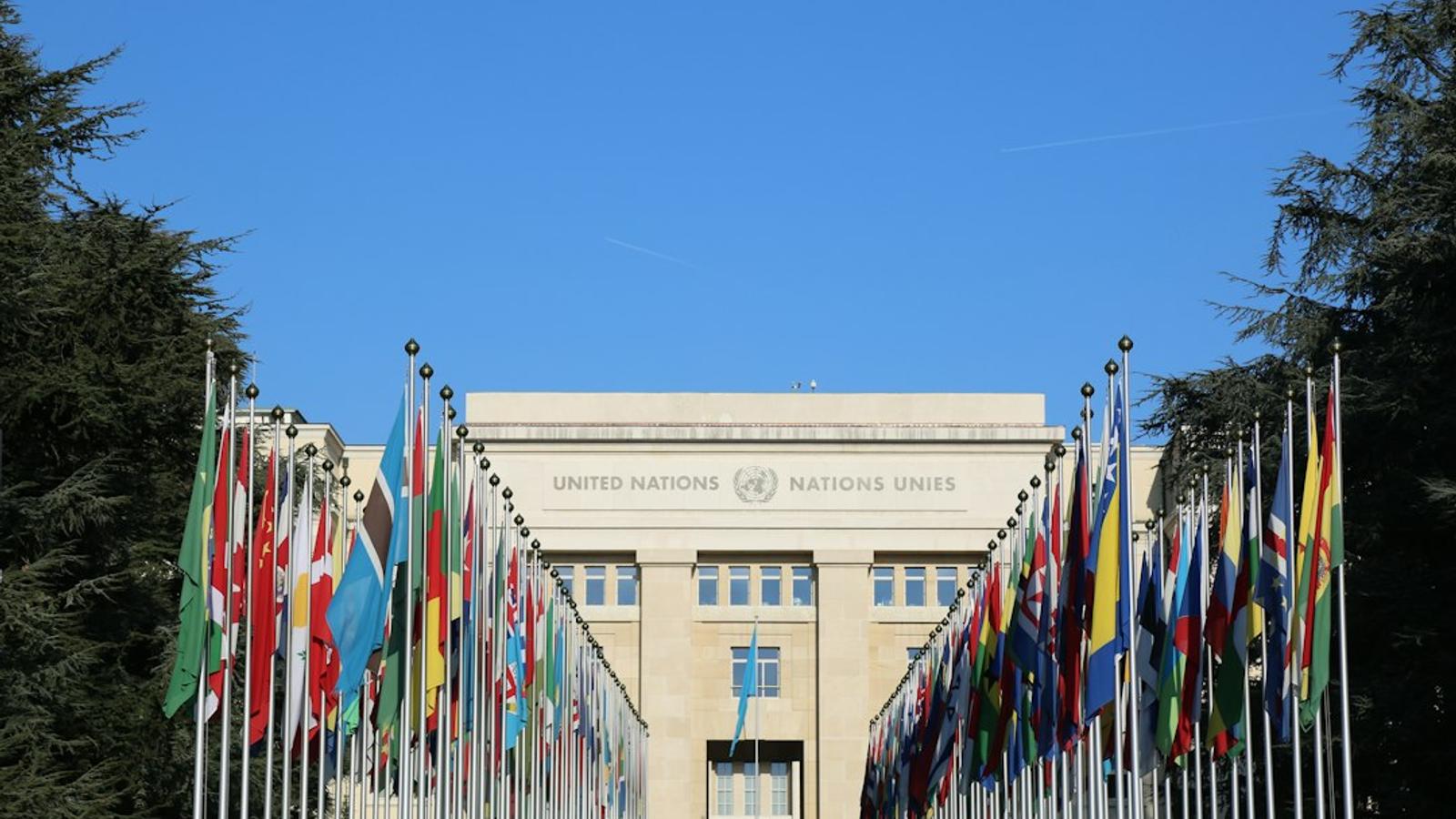
The Cop31 United Nations climate negotiations in Antalya, Turkey, have reached a severe impasse after nearly 200 nations failed to achieve consensus under the joint presidencies of Turkey and Australia, The Guardian reported. Originally scheduled to conclude on Friday, the summit dragged into Sunday afternoon on 2026-11-22 amid irreconcilable differences over the core text.
The main outcome document, known as the draft Antalya pact, was not adopted after failing to secure required support, Turkey's Cop31 president, Murat Kurum, acknowledged. A coalition including the European Union, the United Kingdom, and developing countries rejected the draft primarily because it omitted any commitment to transition away from fossil fuels.
EU and UK Lead Rejection Over Fossil Fuel Language
More than 130 countries demanded that the final agreement endorse a "transition away from fossil fuels", but the joint presidencies did not include the language in the draft text. Objections raised by the EU and the UK were formally backed by countries including Panama, Norway, the Marshall Islands, and several small island states.
Speaking on behalf of the EU, Ireland's environment minister Darragh O'Brien condemned the proposal. "We will not endorse a decision that does not respond to the science and that actually risks deepening the chasm between global commitments and the action required. [It] does not even mention fossil fuels," O'Brien said.
O'Brien further warned that the proposed Antalya pact had "failed to meet the moment" and stressed that the EU would refuse to support any outcome "that greenwashes fossil fuels."
Controversies and Limited Secondary Agreements
The draft document included controversial provisions on carbon capture and storage (CCS) technology. The mechanism was defended by Saudi Arabia, but environmental campaigners opposed it on the grounds that it perpetuates fossil fuel use. Meanwhile, other major parties, including China, Pakistan, and the Africa group, chose not to object to the draft Antalya pact despite holding reservations.
The summit avoided a total collapse by passing decisions on secondary issues. Delegations approved a "just transition" framework designed to assist workers in high-carbon sectors as economies move toward low-carbon alternatives.
However, the outcome drew sharp criticism from observers. Mohamed Adow, director of Power Shift Africa, labeled the event the "worst Cop ever" and accused European nations of hypocrisy for demanding fossil fuel phase-outs from others while continuing to expand their own production.
Cop31 Antalya Pact Collapse FAQ
Why was the Cop31 draft agreement rejected?
The UK, the European Union, and developing countries rejected the draft Antalya pact because it failed to explicitly commit to transitioning away from fossil fuels. More than 130 countries had demanded language endorsing a fossil fuel transition, which the joint presidencies of Turkey and Australia did not include in the text.
What did the EU state regarding the decision?
Speaking for the EU, Ireland's environment minister Darragh O'Brien stated that they would not endorse a decision failing to respond to science and risking a deeper chasm in required action. He criticized the pact for not mentioning fossil fuels, warning the EU would not back a text that failed to meet the moment or greenwashed fossil fuels.
Which nations backed the EU and UK objection?
Objections brought forward by the UK and the EU were supported by nations including Norway, Panama, the Marshall Islands, and several small island states.
Meanwhile, other participating parties, including China, Pakistan, and the Africa group, chose not to formally object to the draft Antalya pact despite holding reservations.
Were any secondary agreements saved at Cop31?
The climate summit avoided total collapse by adopting decisions on secondary topics. Negotiating parties passed a framework for a just transition, designed to assist workers in high-carbon sectors as economies move toward low-carbon alternatives.