Banks May Pass £1.5bn Tax Surcharge Rise to Customers, Warns Bailey
Bank of England Governor Andrew Bailey has warned that major UK banks may attempt to pass the cost of the government's £1.5bn tax surcharge increase onto customers.
By Tradifox Editorial· Source: The Guardian
This article was generated with AI from the sources it names. Report an error
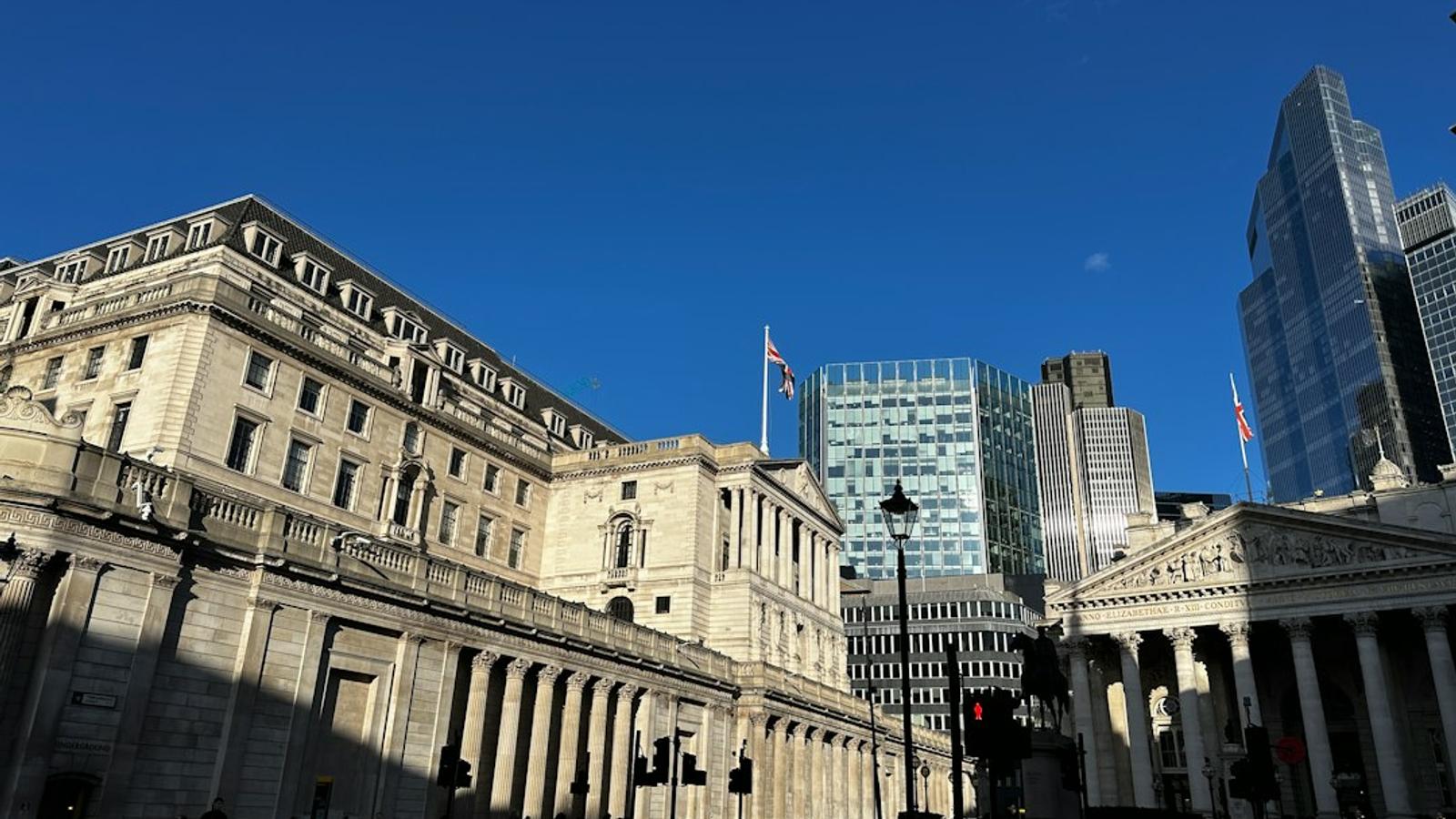
Bank of England Governor Andrew Bailey has warned that major UK lenders could attempt to pass the cost of the government's £1.5bn bank corporation tax surcharge increase onto their customers. According to reporting by The Guardian, Bailey cautioned that financial institutions may seek to offset the added tax burden to protect their earnings.
In an interview with the Times, Bailey observed: "It’s a market economy, so these are decisions banks will have to take. You could understand that they will look to pass it on because they will be targeting a rate of return."
Budget Surcharge and Energy Support
Chancellor John Healey used his first budget to temporarily raise the bank corporation tax surcharge from 3% to 6% for a 15-month period beginning in January. Although the hike aims to generate £1.5bn, the 6% rate was lower than lenders had feared following speculation that Healey might reinstate the 8% level that was in place until 2023.
The revenue raised from the £1.5bn surcharge increase is intended to help finance a £2.6bn measure providing a £100 energy giveaway for 20 million households.
Bank Reactions and Earnings
Lenders have pushed back against the levy. JP Morgan Chief Executive Jamie Dimon stated that he would seek to offset the tax rise to set "an example so that [governments] understand the trade-offs of these unfair penalties."
The surcharge arrives after substantial profitability across the sector. Britain's largest lenders—HSBC, NatWest, Barclays, and Lloyds Banking Group—generated a combined £200bn in pre-tax profits over the past five years.
Pressure on Household Finances
Any move by lenders to pass on costs comes as consumers face mounting financial strain. The Bank of England's monetary policy committee recently raised the base rate from 3.75% to 4%, representing the first increase in more than three years.
Borrowing pressures are already escalating across the country. The central bank reported that 6.5 million households face higher mortgage costs upon renewal, with more than 400,000 UK homeowners facing a monthly payment increase of £500 over the next three years. Concurrently, Great Britain's energy regulator announced that gas and electricity costs will rise by 26% in January, pushing average annual bills above £2,000.
Bank Corporation Tax Surcharge FAQ
What is the new bank tax surcharge?
Chancellor John Healey introduced a temporary increase in the bank corporation tax surcharge from 3% to 6% in his first budget. The measure lasts for a 15-month period starting in January and aims to raise £1.5bn.
The 6% surcharge level is lower than the 8% rate that lenders feared might be reinstated from before 2023.
Why might banks pass costs to customers?
Bank of England Governor Andrew Bailey explained that lenders in a market economy target specific rates of return. He noted he would not be surprised if banks pass on the £1.5bn tax cost to protect their earnings.
JP Morgan Chief Executive Jamie Dimon also indicated he would seek to offset the tax rise to demonstrate trade-offs.
How will the government spend the tax?
The proceeds from the £1.5bn tax surcharge increase are designated to help fund a wider £2.6bn household support package.
This government measure will provide a £100 energy giveaway targeted at 20 million households across the UK.
What pressures do households face?
The Bank of England raised the base rate to 4%, leaving 6.5 million households facing higher mortgage renewal costs, including over 400,000 who face a £500 monthly jump.
Additionally, energy regulator price changes mean gas and electricity costs will rise 26% in January, pushing average annual bills above £2,000.